Why people look for Same.dev alternatives
Same.dev (now branding as Same.new) offers a flashy promise - paste a URL, get a visual clone of any website, and tweak the React code via chat. But when you try to evolve a visual clone into a functional application, the developer experience quickly falls apart.
Destructive code updates
The conversational AI interface in Same.dev is fragile. Developers report that simple requests - like asking the assistant to reorder a page section - can result in the AI completely wiping out lines of functioning code or breaking existing layouts. It is common to lose 1,000+ lines of custom logic in a single prompt cycle.
No backend database or business logic
Same.dev is strictly a frontend prototyping tool. It generates React layouts and Tailwind CSS styling, but has no native databases, secure user authentication, or backend workflow automations. If you need a functioning login wall or data tables, you must export the code and build the entire server architecture yourself.
Rebrand instability and account loss
The transition from Same.dev to Same.new has caused significant frustration. Multiple paid users reported their active projects suddenly becoming read-only or disappearing entirely, making the platform feel unreliable for hosting long-term prototypes.
Fragile duplicate and fork features
A core feature of Same.dev is the ability to duplicate or fork existing drafts to iterate on designs. However, users report that the fork mechanism frequently fails when projects exceed a basic file size, forcing builders to manually rebuild layouts.

The best Same.dev alternatives, by use case
If you want to generate React and frontend code with AI
If you need to generate frontend layouts with code output, these options are more mature than Same.dev. They offer far better system stability and generate highly structured code. Rather than pasting a URL and hoping for an accurate clone, these tools build apps block by block, making it easier to integrate APIs and maintain clean code states.
v0
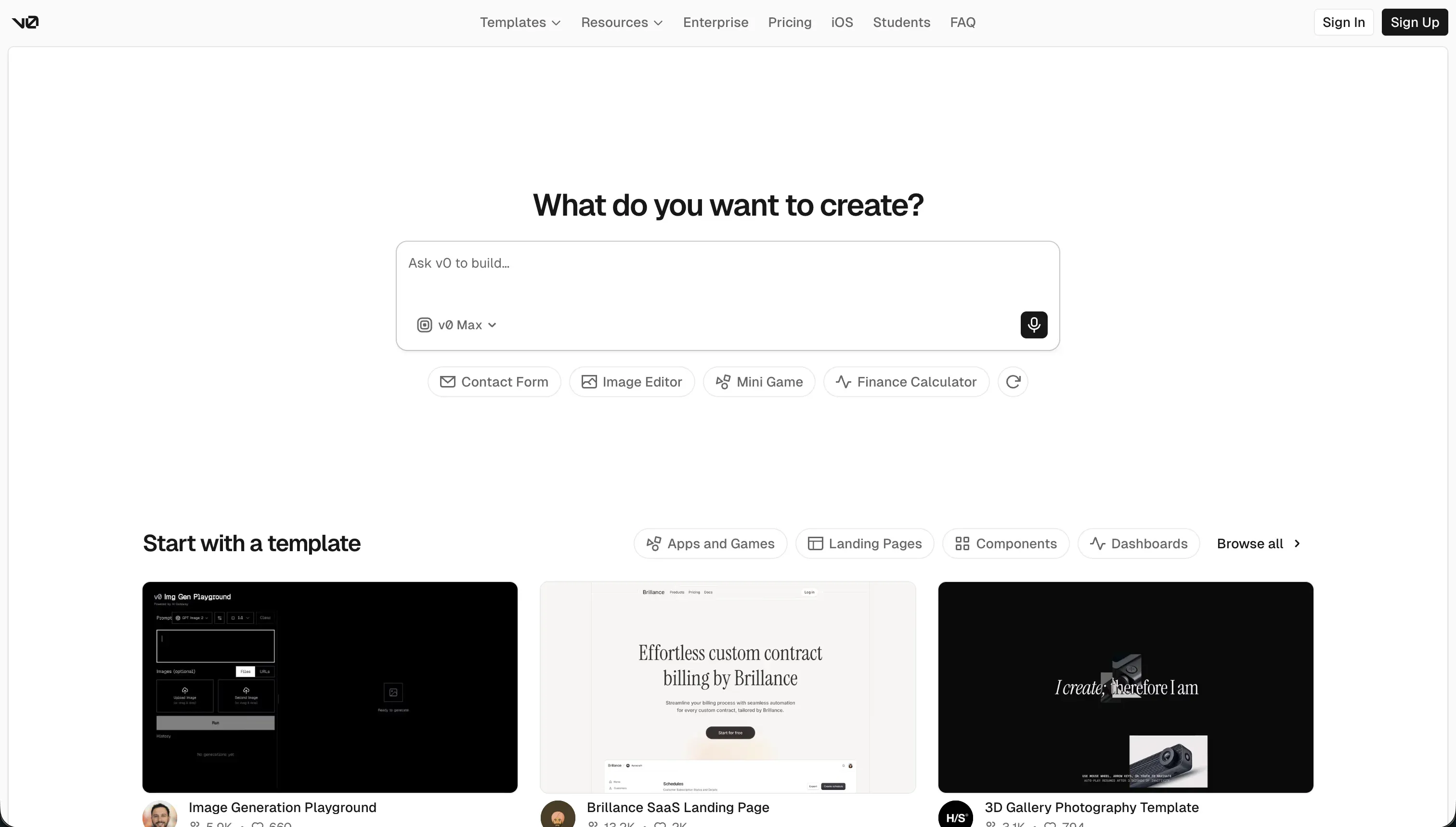
v0 by Vercel focuses on frontend code generation. It generates React components built on shadcn/ui and Tailwind CSS from text prompts or design screenshots. Unlike Same.dev, which often misinterprets layout grids during cloning, v0 creates clean, modular code that integrates directly into modern Next.js projects. The primary advantage is that v0 generates production-grade components that you can paste into your own codebase immediately, bypassing the bugs of a web-based sandbox.
Pricing: Free tier includes basic credits. Pro plan starts at $20/month for increased usage. However, users report that credits burn fast during iterative debugging, meaning you may need to purchase top-ups for heavy daily usage.
Bolt
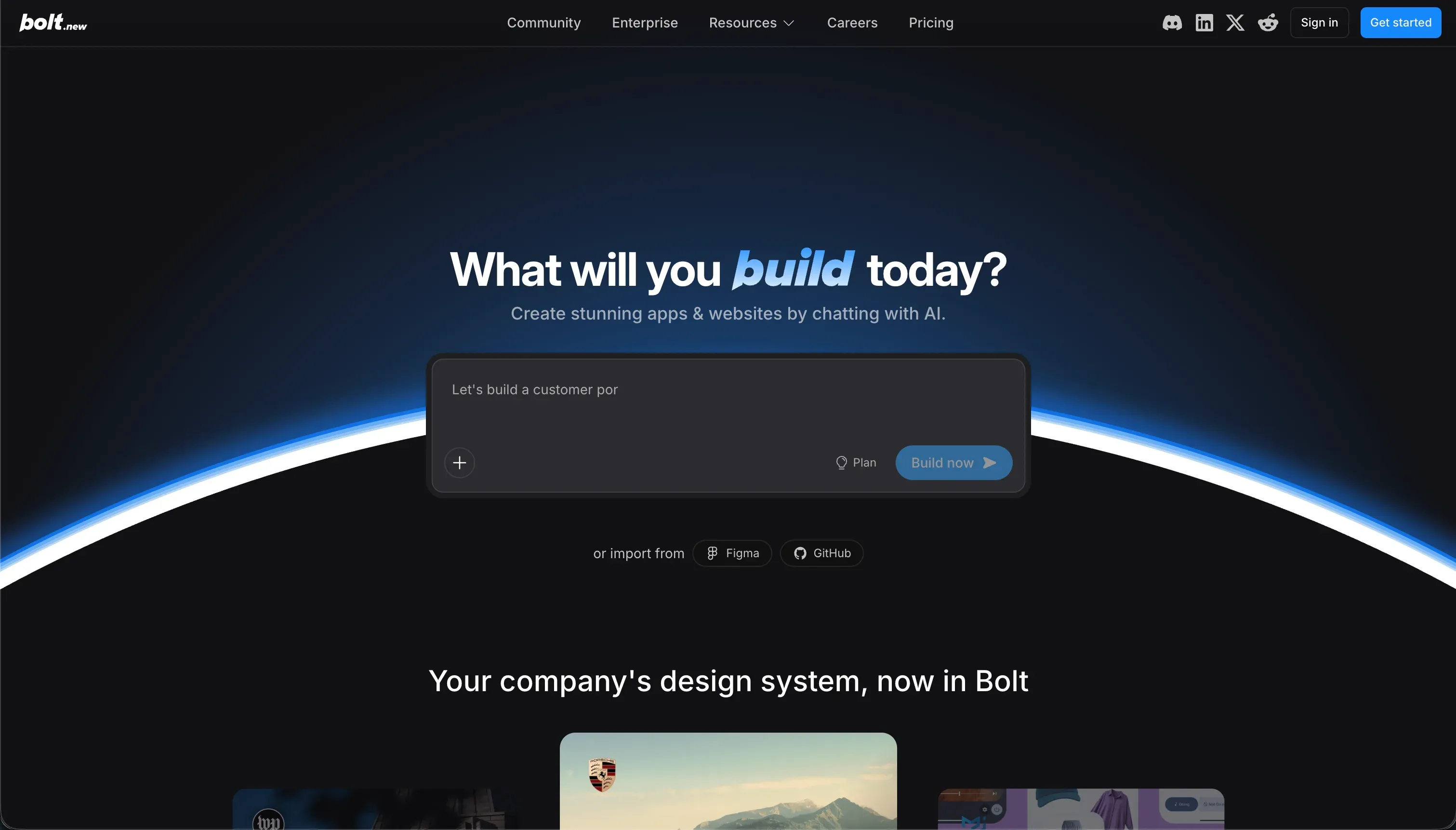
Bolt runs a complete Node.js development environment directly in your browser using StackBlitz WebContainers. While Same.dev limits you to basic UI edits, Bolt lets you install npm packages, run terminal commands, edit files directly, and view a live preview. This environment is far more flexible for building complete frontend applications with actual API integrations.
Pricing: Pro plan is $25/month for 10M tokens, which provides a much larger volume of iterations and debug loops compared to Same.dev’s credit model.
If you’re building internal tools your team needs to maintain
For internal portals, CRM views, and business dashboards, trying to maintain generated React code is a recipe for tech debt. A visual builder with a solid database connection keeps things stable.
Softr
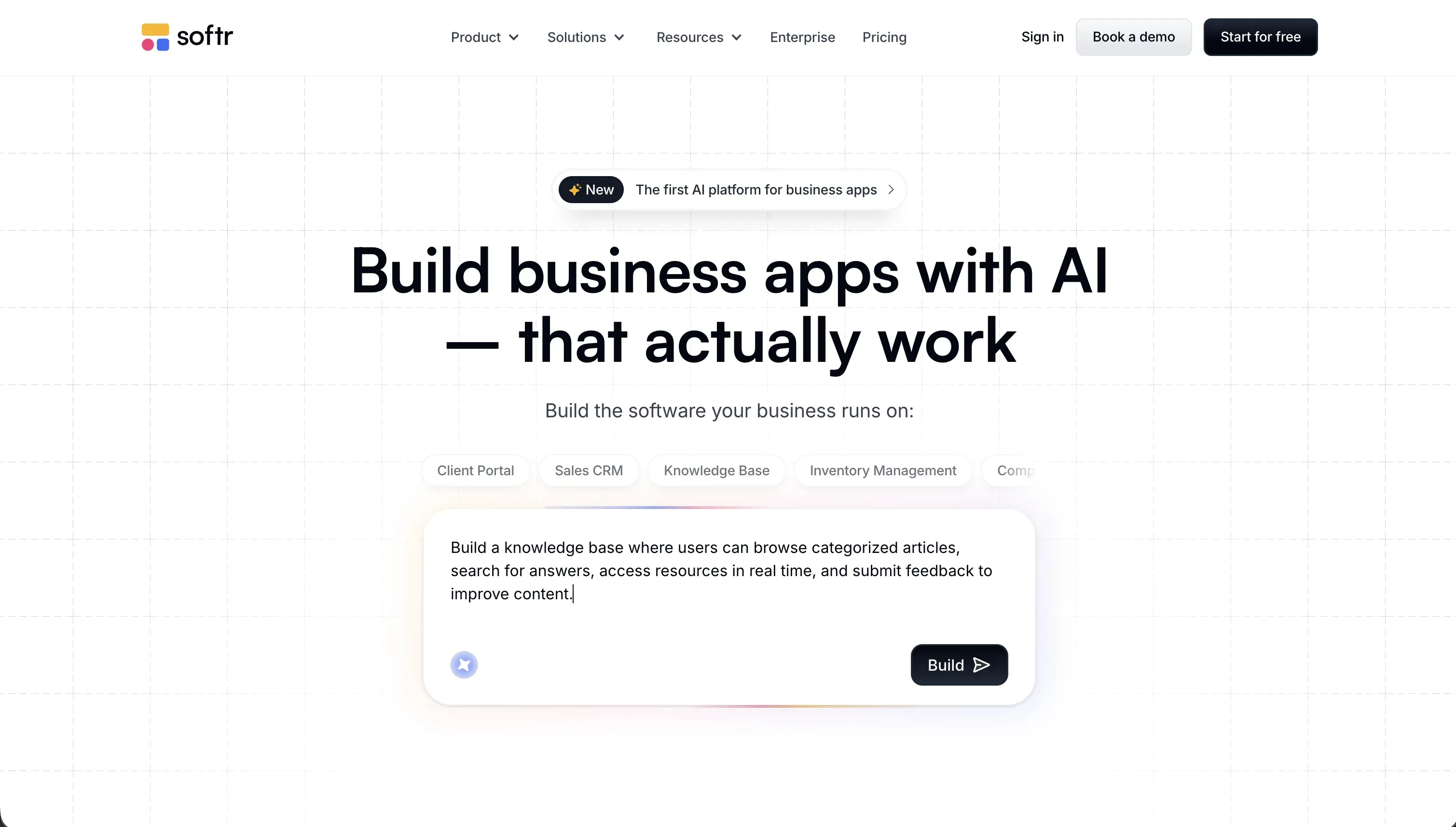
Softr is built specifically for internal business applications. Its AI Co-Builder generates a complete app - database tables, pages, layouts, user roles, and permissions - from a single plain-language prompt. But unlike Same.dev, the output is a stable no-code application running on Softr’s tested platform, not raw React code. Your operations manager or HR department can update the app visually: add a database field, modify a page layout, or adjust access rules - without touching code or wasting AI tokens.
The comparison against Same.dev for business tools:
- Pricing: Softr uses flat-rate plans. Basic is $19/month (5 Team + 5 Client app users, 50k records), Pro is $99/month (10 Team users expandable to 50, plus 50 Client users expandable to 250, 500k records), and Business is $329/month (30 Team users expandable to 100, plus 100 Client users expandable to 500, 1M records). There are no usage-based token charges for running the app, and you can edit layouts visually at any time.
- Data Source: Softr connects natively to Softr Databases, Airtable, Google Sheets, and SQL databases. Same.dev does not connect to structured business databases.
- Maintenance: Non-technical team members can maintain Softr apps directly. Same.dev requires a developer who understands React and Tailwind to fix layout issues.
If you want to clone UIs and visually replicate designs
If your goal is to visually replicate existing websites or build high-fidelity layout mockups from reference images.
v0
v0 excels at visual replication from image uploads. You can screenshot any website design, upload it to v0, and the AI will generate the React and Tailwind code matching that aesthetic. This is far more reliable than Same.dev’s URL-cloning tool, which often breaks on complex CSS grids, interactive menus, or custom web components.
Pricing: Free tier is available. Paid plans start at $20/month.
Bolt
Bolt is highly effective at replicating app interfaces from text prompts. Because you can install UI libraries like shadcn/ui or Tailwind CSS directly in Bolt’s terminal, you can scaffold out functional replica dashboards and interactive mockups much faster than using Same.dev’s sandbox editor.
Pricing: Pro plan is $25/month.
If you need client portals or external-facing apps
When sharing data with people outside your organization, security and data isolation are critical. You cannot rely on a frontend-only tool to secure sensitive client data.
Softr
Softr provides a secure, visual user permissions model out of the box. You define user groups (like Clients, Partners, and Admins) and configure exactly which pages, blocks, and records they can view. If a client logs in, they only see their own files and invoices. This is set up in a visual interface, not by writing custom React auth logic. Softr also includes built-in login, signup, password reset, and SSO pages, and supports custom domains so you can white-label the app under your own brand.
If you want to own your code and edit in a local developer environment
If you are a developer who wants AI assistance without losing control of your codebase, using a local editor is a much safer approach than working inside a web-based sandbox.
Cursor
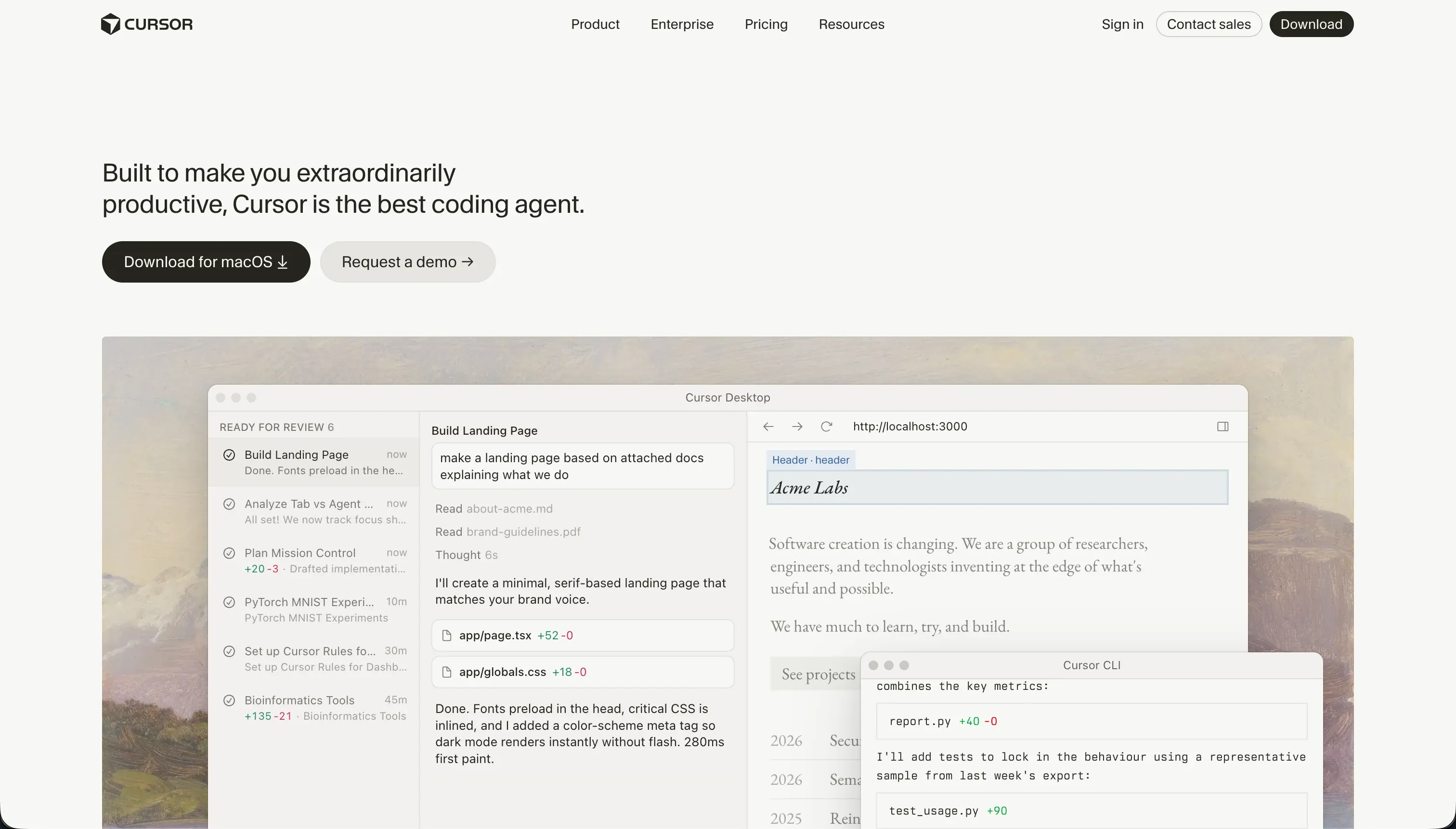
Cursor is a fork of VS Code with AI deeply integrated. It reads your entire project directory, allowing you to ask questions, refactor code, and generate files with complete context. Instead of relying on a web-based sandbox that can discard your work, Cursor lets you run AI prompts directly on your local machine. This allows you to use Git version control and revert any buggy AI iterations instantly.
Pricing: Free tier includes basic queries. Pro plan is $20/month for unlimited completions and high-speed models.
Replit
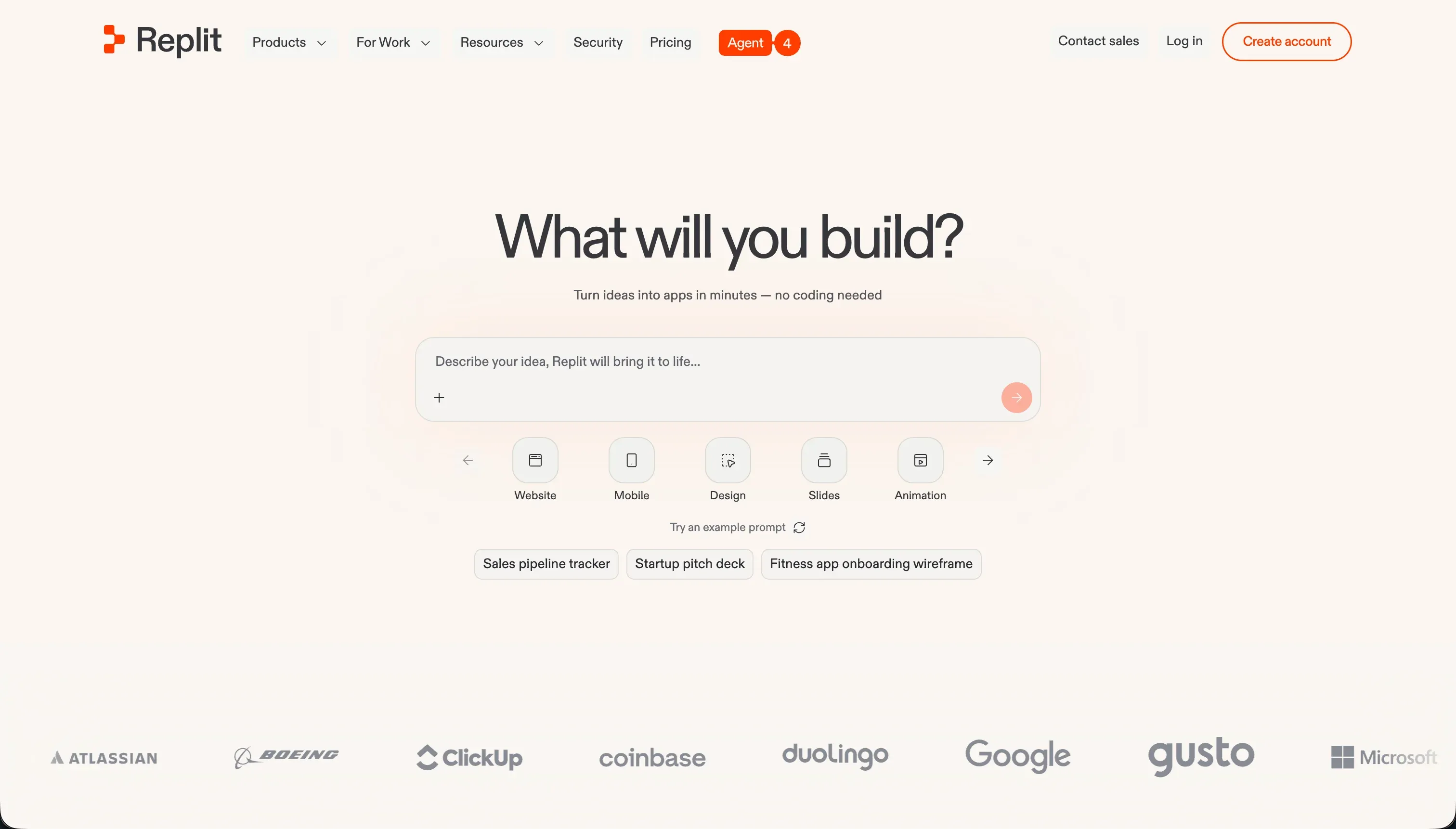
Replit is a collaborative cloud IDE with built-in AI agents. You can prompt Replit to generate code, install packages, and deploy your project with one click. Unlike Same.dev, Replit provides full terminal access and supports backend languages, making it a complete cloud-based development environment.
Pricing: Core tier is $15/month, while advanced developer features and dedicated compute scale on higher plans.

Bottom line
Same.dev is a quick option for cloning visual layouts, but its destructive updates and lack of backend features make it risky for production apps. If you want to build and manage business software without code regression, use Softr. If you are a developer looking for code generation, use v0 or Cursor.