What is Same.new?
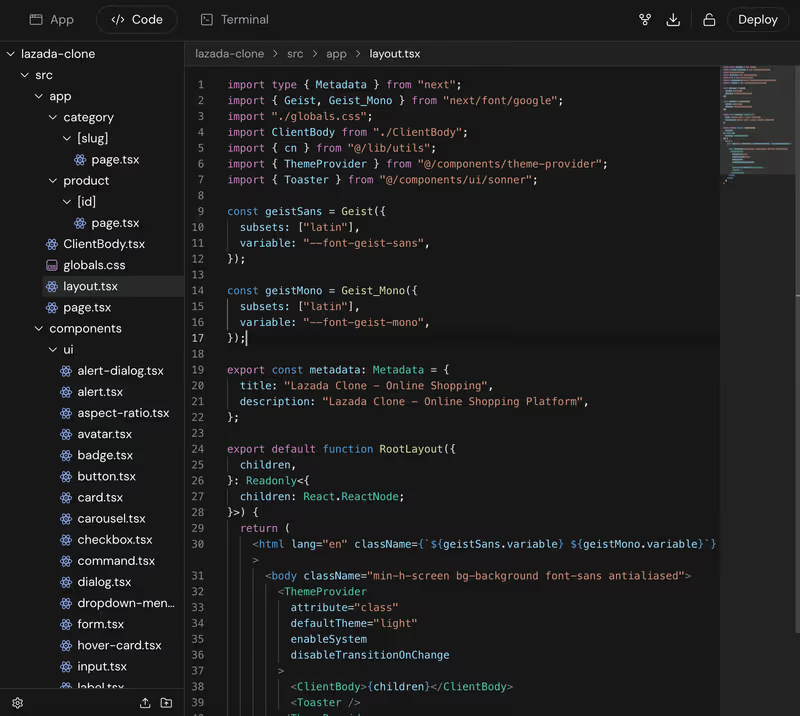
Same.new, formerly known as Same.dev, is a generative AI front-end utility designed to clone and prototype user interfaces. By pasting a live website URL link into the builder, the AI parses the page’s HTML structure and CSS variables, converting it into a React and Tailwind CSS codebase.
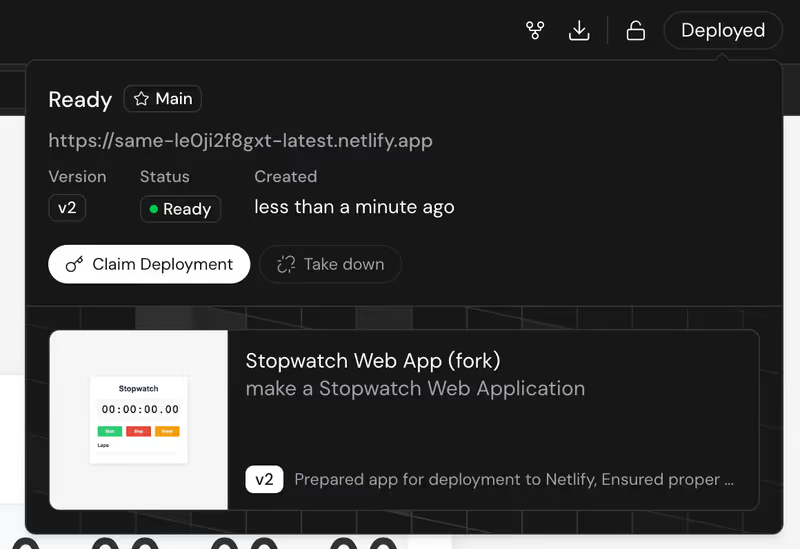
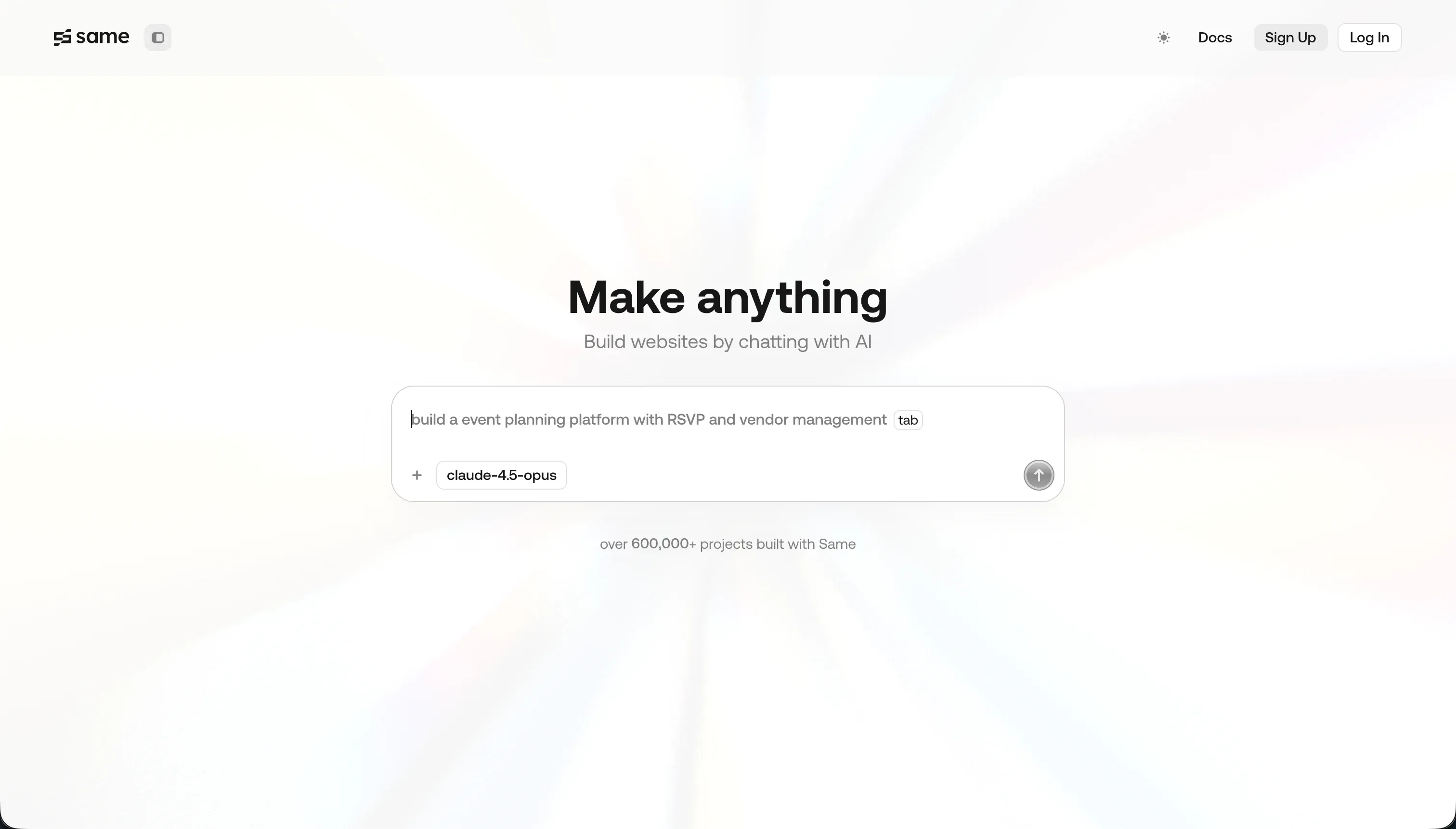 Same.new product snapshot
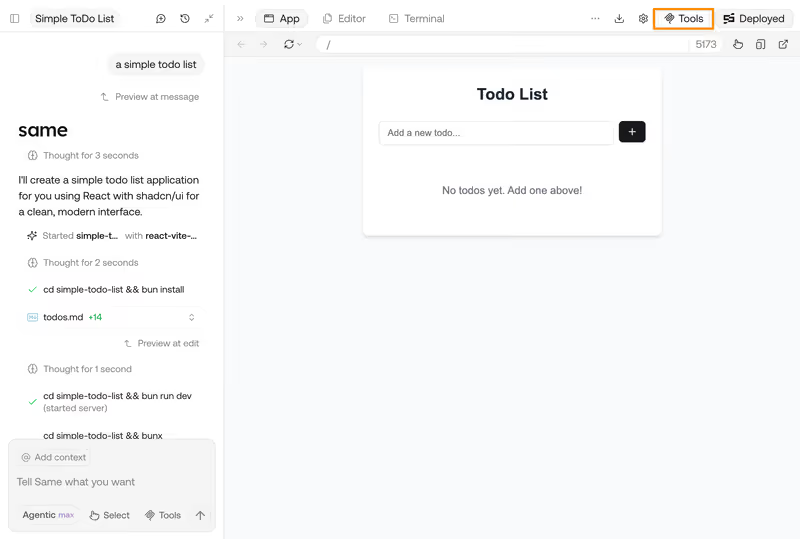
Users can then edit the visual layout by typing text commands into a chat assistant, or duplicate components to branch out visual designs.

What types of applications can you build with Same.new?
Because Same.new compiles the front-end layout only, it is suitable for visual drafts and mockups:
- Interactive Landing Pages: Clone and tweak visual marketing sections and nav bars.
- Component Mockups: Replicate visual grid card spacing and buttons from reference sites.
- Clickable Layout Prototypes: Build styled visual frames to test design directions.
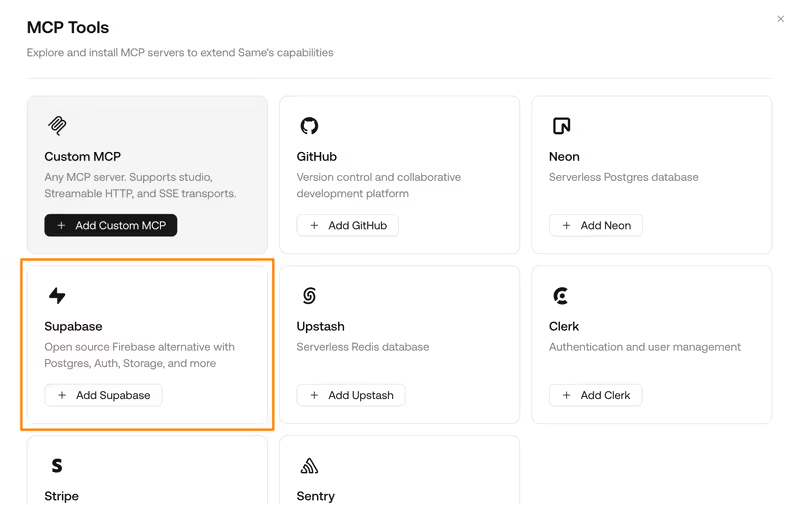
However, because the builder lacks databases, APIs, or sign-in managers, you cannot build secure, multi-user business systems (like client databases, internal operations tools, or client portals) without coding the backend yourself.

Where Same.new genuinely shines
Same.new’s standout feature is website replication. If you want to replicate the styling of a landing page for reference, the AI can parse its visual properties in seconds, providing clean, copyable React code.
It provides a lower entry price than full-stack AI builders. The Pro plan starts at $10/month, making it an affordable playground for developers who want to scaffold front-end visual structures quickly.
The engineering overhead & setup complexity
While initial cloning is simple, using the builder for complex project edits introduces risks:
- Destructive Code Loss: Paid subscribers report that asking the AI to re-order sections or add elements can result in the agent deleting thousands of lines of working code, corrupting the layout.
- Rebranding Glitches: The transition from Same.dev to Same.new resulted in user accounts losing access to active designs, presenting operational risks.
- Relational Database Deficit: There are no managed database tables or logins. If you need a form to save entries securely, you must write API endpoints and connect a PostgreSQL database manually.
The pricing gotchas & token/credit model
Same.new’s billing structure relies on model token quotas:
- Token Depletion on Retries: Prompting changes to cloned websites consumes tokens from your monthly pool. If the AI introduces design bugs, fixing them consumes tokens, forcing upgrades.
- Fixed-Tier Transition: Due to complaints about unpredictable billing under pay-as-you-go systems, the platform recently added fixed-tier plans to help users forecast costs.
- High Code Export Cost: While code is exportable, scaling projects requires the Pro plan to sync with GitHub repositories, adding a subscription requirement.
Public Sentiment & Community Consensus
Developer discussions on Product Hunt and no-code forums highlight:
- Fast Prototyping Utility: Builders like how quickly they can convert website screen URLs into clean React files.
- Bugs in Project Forking: Users complain that duplicating or forking larger, complex project layouts frequently fails.
- Lack of Tooling Transparency: Some reviewers note they could have built more complete systems using Bolt or Lovable, which offer full-stack support.
For business teams looking to build secure client portals, CRM dashboards, or internal databases, using a front-end cloning utility is not practical. If you need secure business systems, Softr is a much better fit. Softr’s AI Co-Builder lets you describe what you need and generates a complete app - database, pages, user permissions, and navigation - without producing a line of generated code you’ll need to debug later. You get built-in auth, user groups, and role-based access controls from day one, and you can connect Softr Databases or pull in data from over 17 external sources like Airtable or Google Sheets. The result is a production-ready portal or internal tool, not a fragile demo that breaks the moment a real user touches it.
Verdict: Who is it actually for?
Best for: Frontend developers, UI designers, and founders who want to rapidly replicate a design layout from a URL and need raw React/Tailwind code to build upon.
Not for: Non-technical operators or B2B managers who need a secure, stable portal, database, or client workspace with zero coding or hosting setup.