
Why people look for WeWeb alternatives
WeWeb is designed for developers and agencies who want to build custom web frontends visually. While its CSS layout controls are highly flexible, it has structural limitations that make other builders a better fit for many projects.
Decoupled backend setup complexity
WeWeb does not store data or handle backend logic natively. To build a functioning application, you must set up and pay for a separate backend service like Supabase, Xano, or Airtable. Connecting these services requires mapping API payloads, configuring token-based authentication, and managing relational databases across multiple platforms, which introduces integration breaking points.
High starting price
At $59/month for a single published custom-domain application, WeWeb is expensive for early-stage startups and small businesses. If you want to use staging environments, collaborate with a team, or export your Vue.js source code, you have to upgrade to the Scale plan, which costs $249/month. This is a high barrier to entry compared to platforms that offer full-stack capabilities on cheaper tiers.
Steep learning curve
WeWeb is not a simple drag-and-drop tool. You need to understand CSS flexbox, grid layouts, absolute positioning, state variables, and conditional data routing to build a responsive app. Setting up these configurations manually takes days of training and requires a solid understanding of frontend development concepts.
Support and documentation gaps
Many users report that WeWeb’s official customer support can be slow to resolve issues, with tickets remaining open for days. The documentation and video tutorials sometimes lag behind the platform’s visual editor updates, leaving builders to troubleshoot API connection glitches and layout issues on their own.

The best WeWeb alternatives, by use case
The right WeWeb alternative depends on whether you want an all-in-one visual editor, a developer IDE, or a simpler way to build business portals.
If you want to build a complex web application without decoupled complexity
If you want to build a web application but want to avoid the friction of setting up a separate backend database and auth service, you need a full-stack tool.
Bubble
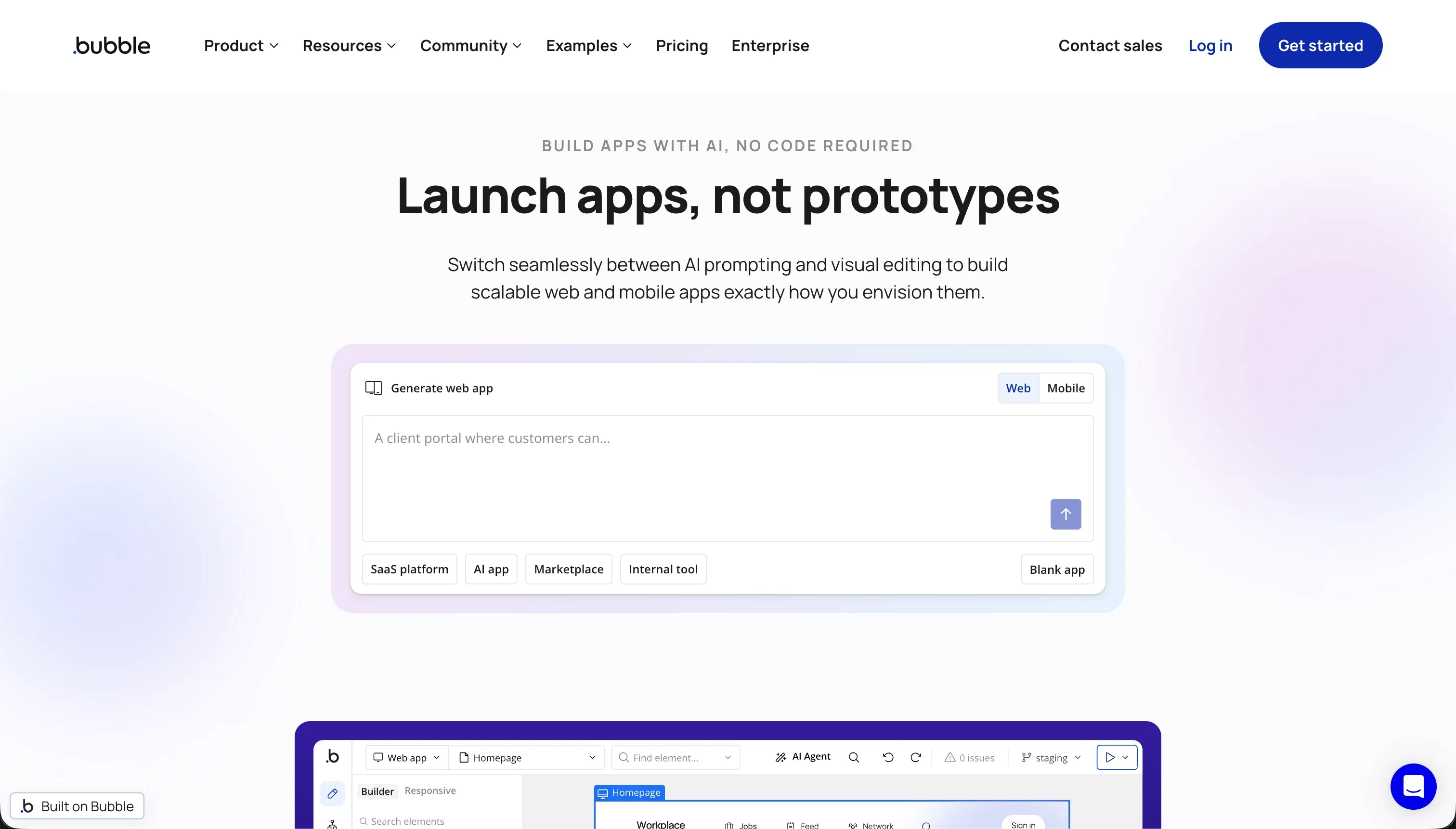
Bubble integrates the frontend builder, user authentication, and relational database into one visual platform. You do not need to configure API connectors or token exchange payloads to register users or save records. The visual logic builder handles state management natively, and the platform supports custom workflows and plugins. The main drawback is that you are locked into Bubble’s infrastructure, and its Workload Unit billing model makes scaling costs difficult to forecast.
v0
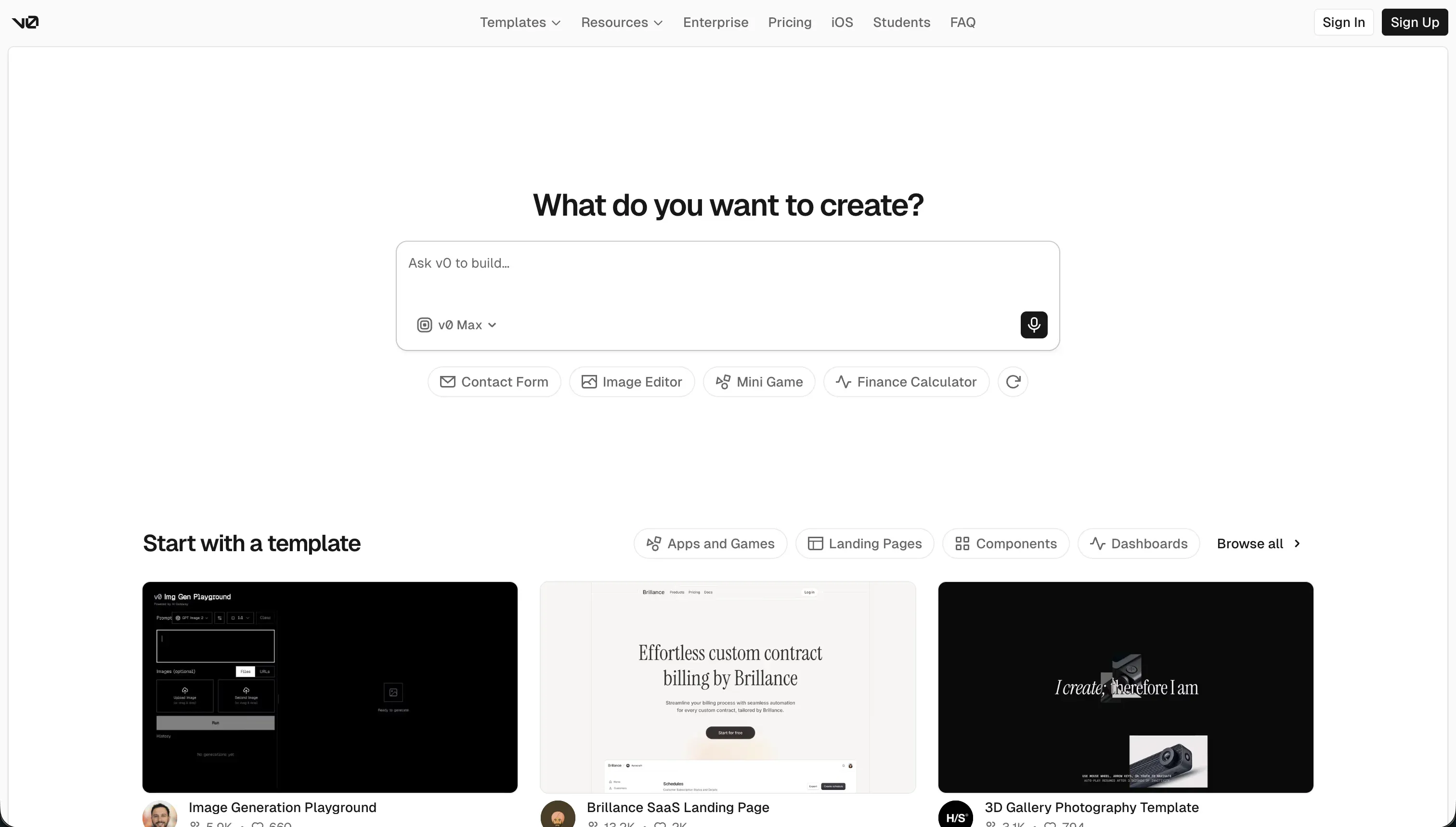
v0 by Vercel is an AI-powered code generator that focuses on frontend UI. You prompt the AI to generate React components styled with Tailwind CSS and shadcn/ui. Unlike WeWeb, v0 outputs clean, production-grade code that you can copy, paste, and host on Vercel or any other hosting provider. It is highly optimized for frontend developer workflows. However, it does not include database hosting, so you will still need to build your own API backend.
If you need internal tools your team can maintain
If you are building database tools, inventory managers, or project trackers for your employees, WeWeb’s pixel-perfect styling controls require too much maintenance.
Softr
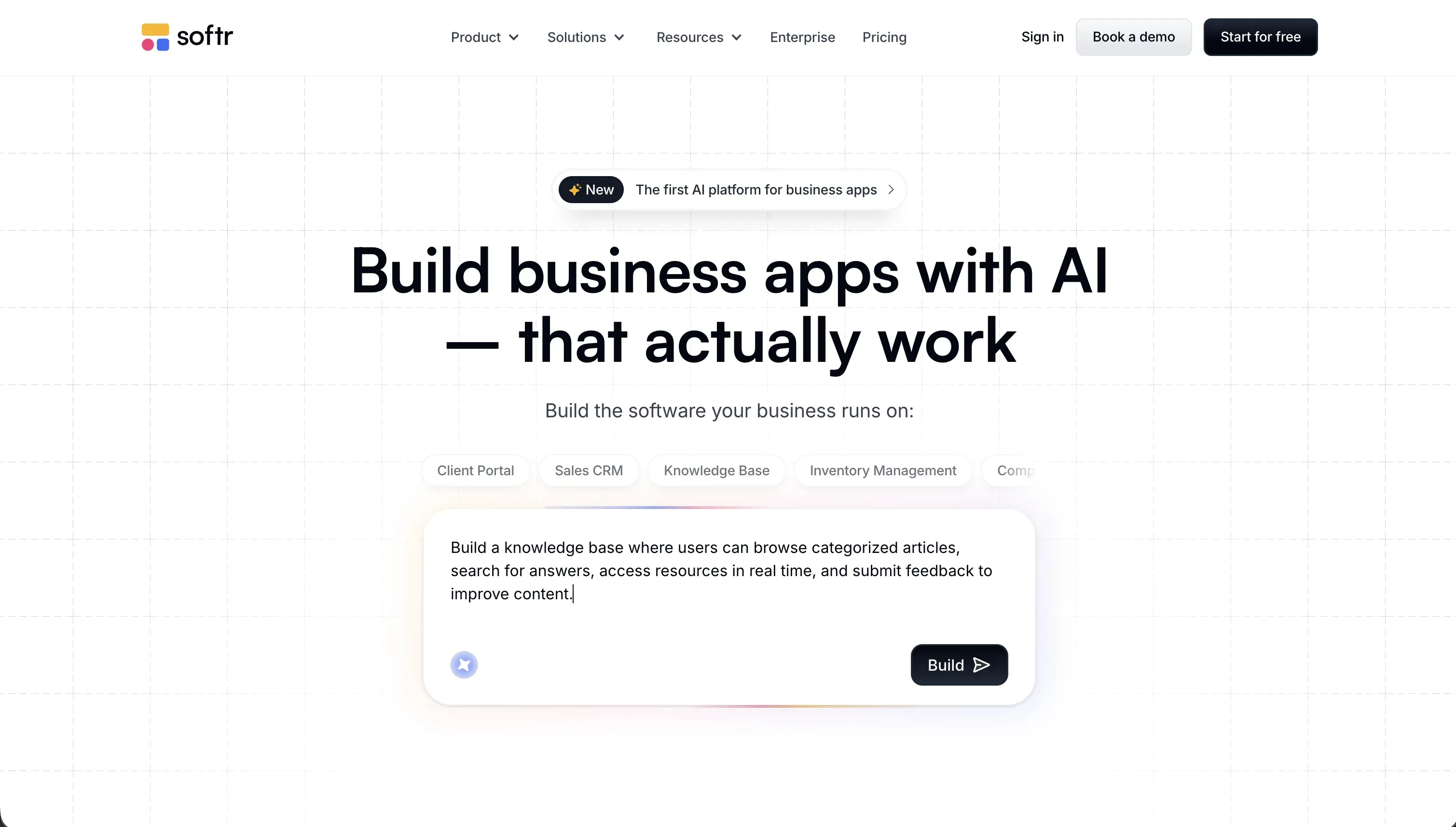
Softr provides a zero-maintenance approach to internal business tools. Its AI Co-Builder generates pages, user roles, permission rules, and data structures from a plain-text prompt. Your application runs on Softr’s hosted infrastructure, meaning your operations, HR, or finance teams can update visual layouts, add database fields, or change workflow rules directly in the visual editor without breaking layout styles or requiring a developer.
Softr integrates natively with Airtable, Google Sheets, and its own SQL database, mapping your sheets to UI elements like tables, calendars, and forms instantly. Pricing is flat-rate (Basic at $19/month, Pro at $99/month, Business at $329/month) with app users counted as Team and Client seats: Basic includes 5 of each, Pro 10 Team and 50 Client, and Business 30 Team and 100 Client, with Pro and Business seats expandable past the included allowance. While it lacks WeWeb’s custom CSS flexbox alignment, its pre-built blocks are mobile-responsive out of the box and can be extended with custom React code using the Vibe Coding block.
Retool

Retool is a developer-first tool designed to build internal dashboards on top of existing databases or APIs. It provides a library of pre-built UI components like tables and forms that connect directly to your database with SQL queries. If you already have database infrastructure running, Retool is faster than building a frontend from scratch in WeWeb. However, Retool is seat-based ($10/user/month on the Team tier), making it expensive for larger teams.
If you want AI web app generation with a built-in backend
If you want the speed of AI code generation but still want a unified full-stack experience.
Lovable
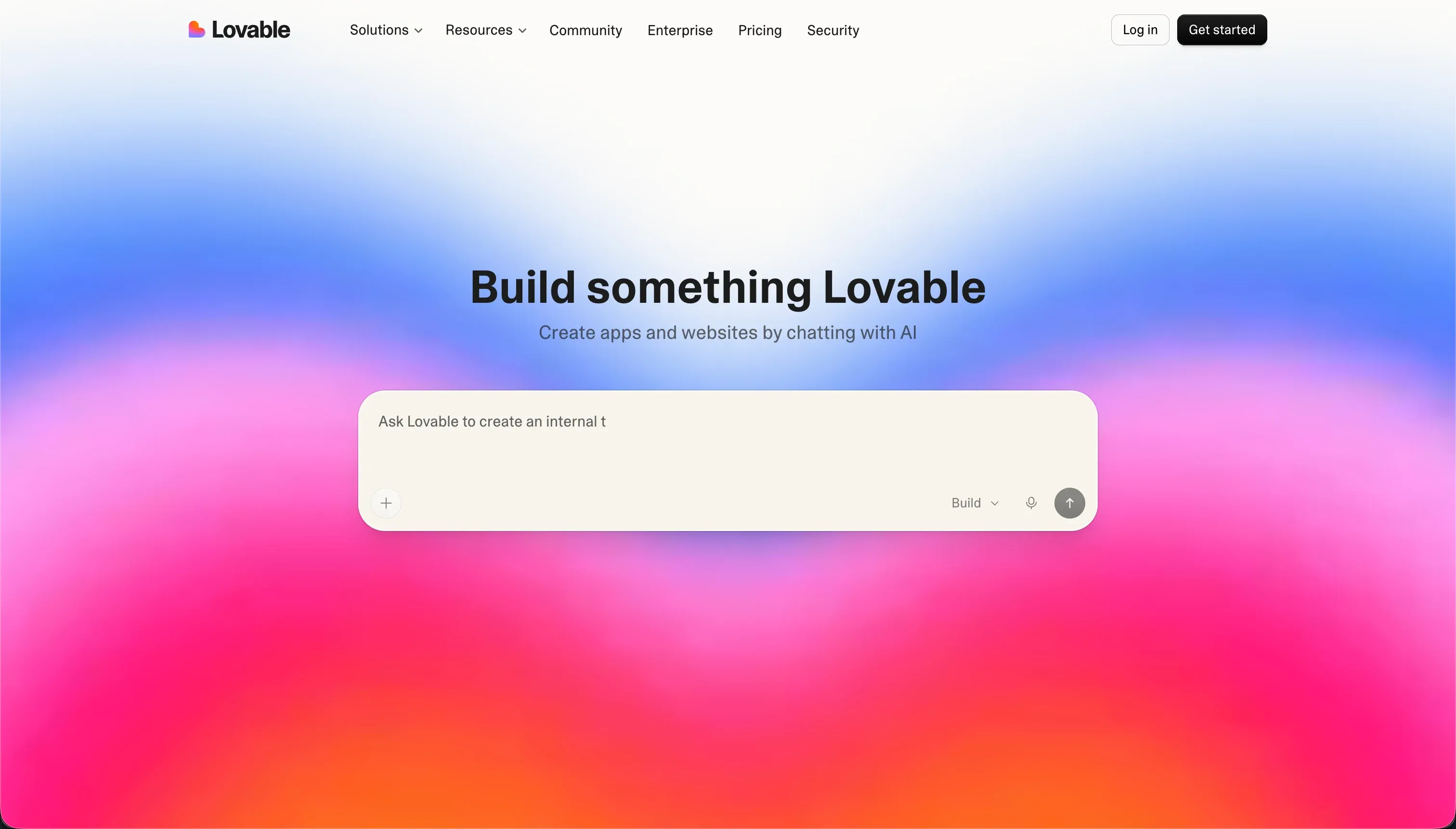
Lovable generates a full React frontend, a Node.js backend, and a Supabase database schema from a single conversational prompt. It handles authentication, data tables, and routing automatically. The output is a clean codebase synced to GitHub, which you can export at any time. The trade-off is credit consumption: debug loops can deplete credits quickly on the Pro plan (€25/month for 100 credits), and you must audit the generated Row Level Security (RLS) policies to prevent unauthorized data access.
Bolt
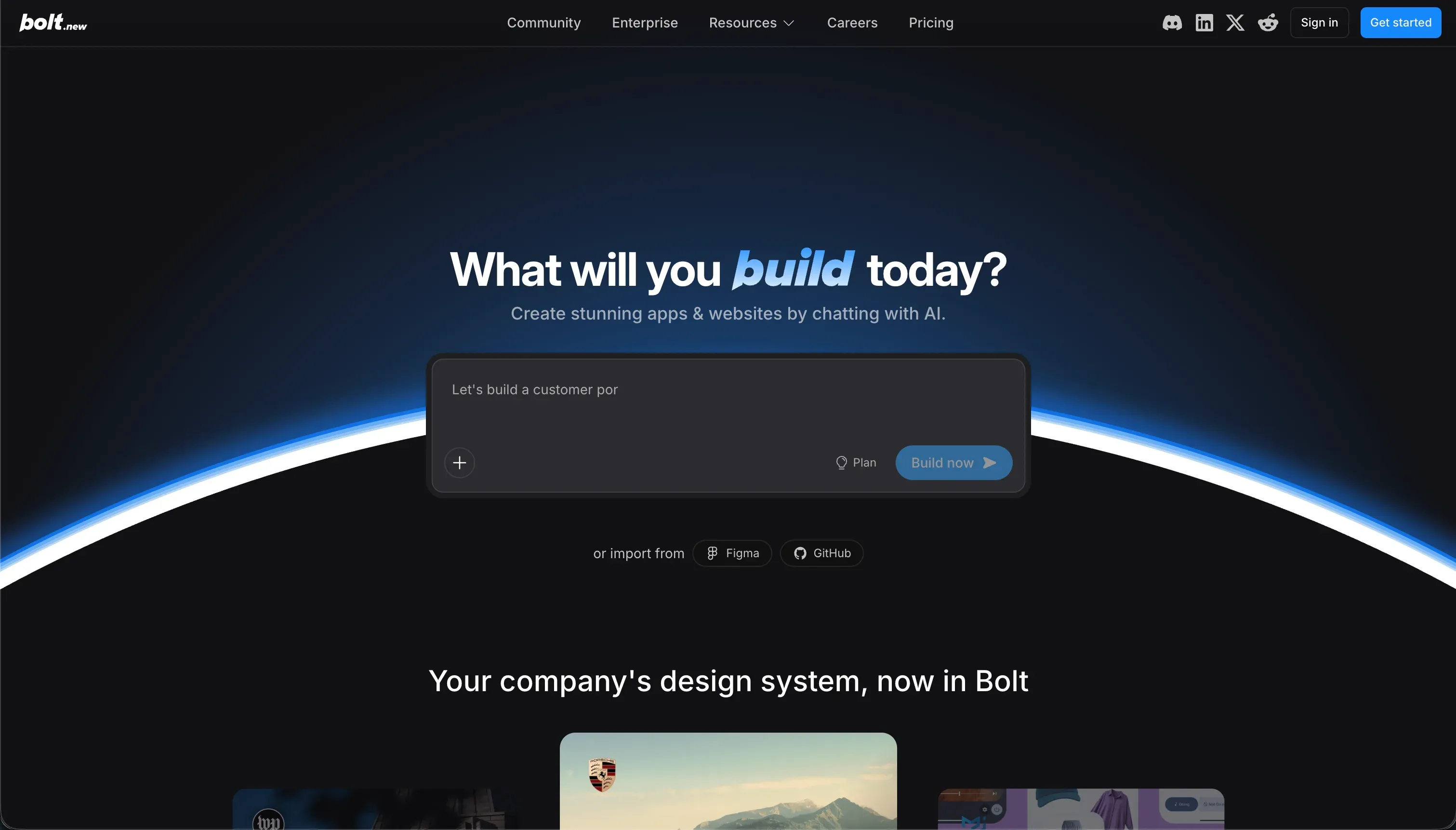
Bolt runs a complete Node.js environment in your browser using StackBlitz WebContainers. You prompt the AI to build and modify web applications, with immediate visual previews. You can install npm packages, edit files directly, and run build commands in a real-time web workspace. Bolt’s Pro plan starts at $25/month and offers high token volumes, making it a flexible environment for visual coding and prototyping.
If you need client portals and external-facing web apps
If you need a secure, white-labeled client space where external users can log in to view and update records.
Softr
Softr simplifies client portals with a visual permissions model. You define user groups like clients or partners and assign access levels with simple checkmark settings. Setting up record-level filtering - ensuring each client only sees their own documents or invoices - is a point-and-click configuration rather than a complex API query or authentication token setup.
Softr portals are fully white-labeled, support custom domains, and include native login, signup, password reset, and SSO pages without needing custom code. External users can access the portal without per-seat licensing costs, making it highly cost-effective compared to seat-based visual builders.
If you want to build native mobile apps
If you want to compile mobile apps that deploy to the Google Play Store and Apple App Store.
FlutterFlow
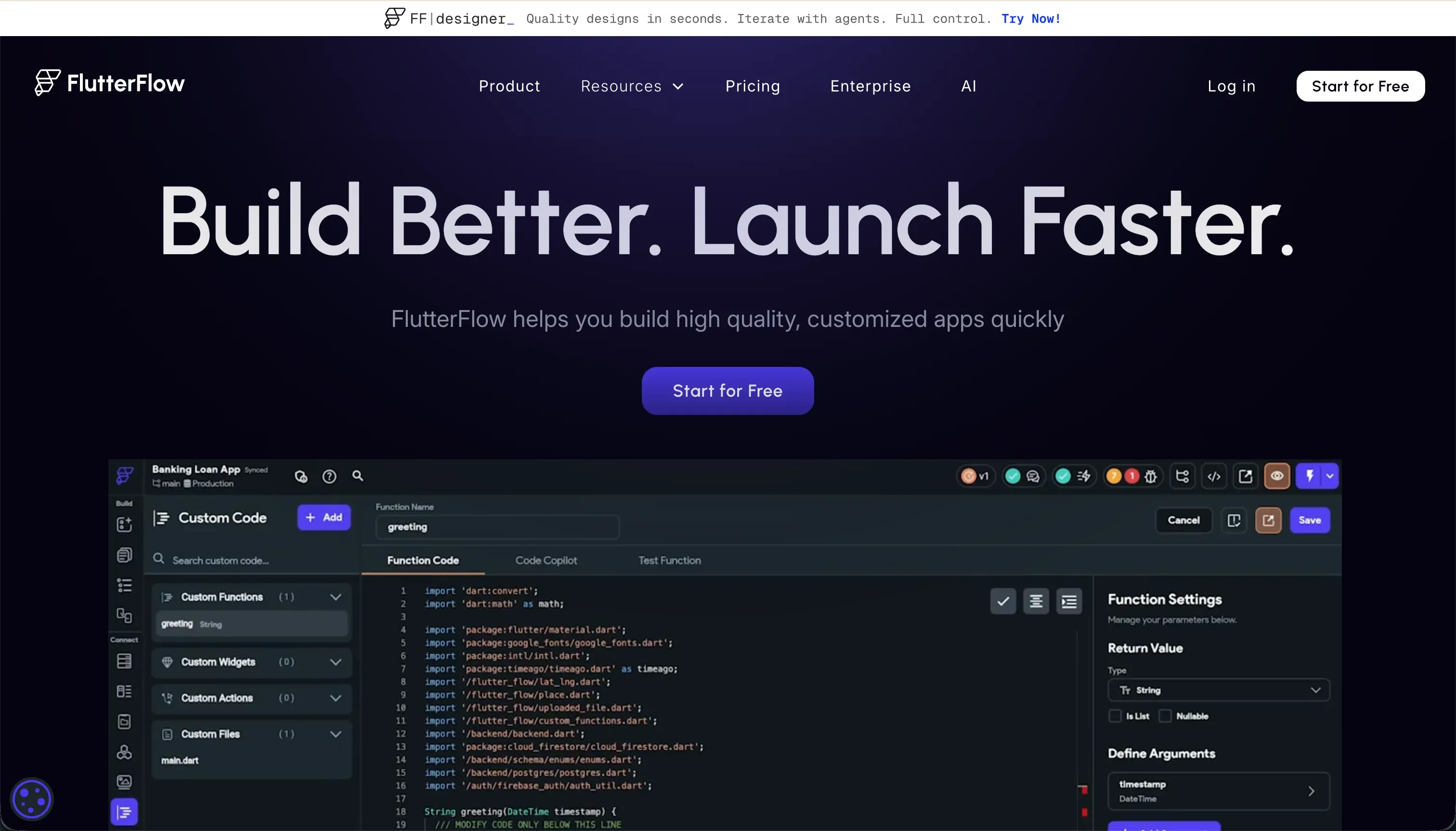
FlutterFlow compiles visual layouts directly to native Flutter (Dart) code, providing fast mobile performance and App Store distribution pipelines. It integrates natively with Firebase and Supabase, and allows full code export on standard plans. The learning curve is steep, as it requires understanding Flutter widget structures, but it is the strongest visual option for native mobile apps. The Pro plan costs $50/month (billed annually).
Glide
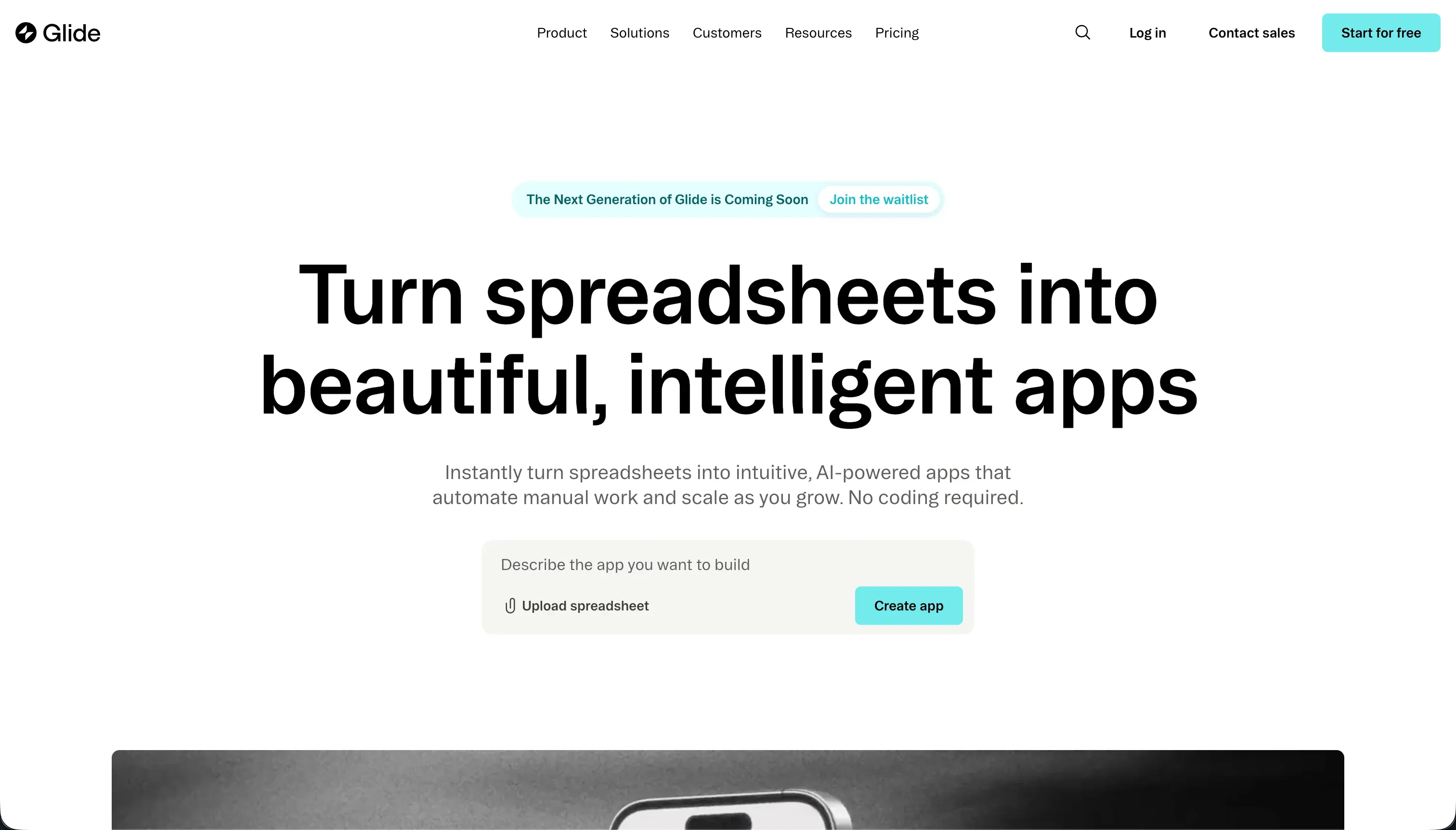
Glide builds responsive, mobile-first web applications from spreadsheets instantly. You connect your data, and Glide generates a clean mobile layout with pre-designed components. It does not build native app packages for the app stores, but it is a fast and efficient tool for launching mobile-responsive database tools without layout configuration.

Bottom line
WeWeb is a frontend builder for technical teams who want visual layout control over decoupled databases. If you want to avoid the overhead of configuring API auth and external backends, Softr is the fastest way to spin up secure business portals. If you need full code ownership, check out Lovable or Bolt.
→ Compare WeWeb vs Softr in detail - side-by-side on pricing, database connections, and setup. → Browse all reviewed tools for the full comparison across AI app builders.