
Why people look for Zite alternatives
Zite (formerly Fillout) is an AI-first no-code builder that combines natural-language prompting with a built-in spreadsheet-like database. While it is useful for launching rapid prototypes, it has specific constraints that push some teams toward alternatives once the app needs more control, portability, or predictable costs.
Rapid credit burn in setup loops
Zite’s conversational Plan and Chat modes consume usage credits for every modification prompt. Because generating and refining complex workflows or database tables requires constant conversational iterations, paid users report running out of their monthly Pro plan credits (starting at 100 credits/month) in a single day. There is also no credit rollover, which makes active building feel more expensive than the base plan suggests.
Workflow runs are a second, hidden meter
Zite advertises “unlimited users” and lists a generous workflow quota (5,000 runs/month on Pro), but standard CRUD actions - including every database read when a page loads or is reloaded - count as workflow executions. A handful of active users browsing dashboards or directories can exhaust the Pro quota in a few days, and there are no clear self-serve add-ons once you hit the cap, so you end up negotiating a custom Enterprise plan. On top of that, Zite turns almost every action into a workflow behind the scenes, so a simple CRM built from a couple of prompts can spawn dozens of separate workflows, cluttering the workspace and making larger apps hard to navigate.
Undisclosed Business-plan gates
Some capabilities builders expect on Pro are quietly gated to the Business plan ($55/month billed annually) with no warning on the pricing page. Customizing the login screen and setting recurring schedule triggers both require Business, so Pro subscribers only find out after they try to use them.
Rigid layout customization
Zite’s visual layouts are generated by the AI and can be highly rigid. If you want to modify spacing, change visual alignments, or design custom components that fall outside the AI’s default structure, you will face editing limitations. There is no free-form visual canvas or drag-and-drop builder to adjust layout blocks manually, so some teams hit a ceiling sooner than they would like.
Database functionality gaps
The built-in Zite database is easy to use but lacks advanced enterprise features. You cannot write complex formula fields, configure SQL-style custom views, or manage advanced data rollups natively. If your business depends on complex relational calculations, you will run into ceilings that are fine for MVPs but less comfortable for long-lived systems.
Vendor lock-in and pricing shifts
Because Zite stores your application layouts, logic, and data schemas on its proprietary SQL servers, migrating your app to another platform is difficult. Users also express concern over scaling costs, as scaling to higher credit packages can raise monthly plan rates significantly (up to $3,769/month for max Pro credits).

The best Zite alternatives, by use case
The right alternative to Zite depends on whether you want an all-in-one visual database app, a developer-first AI code sandbox, or native mobile layouts.
If you want to build a complex web application without credit limits
If you need a web app with complex database logic and complete visual control without credit limits.
Bubble
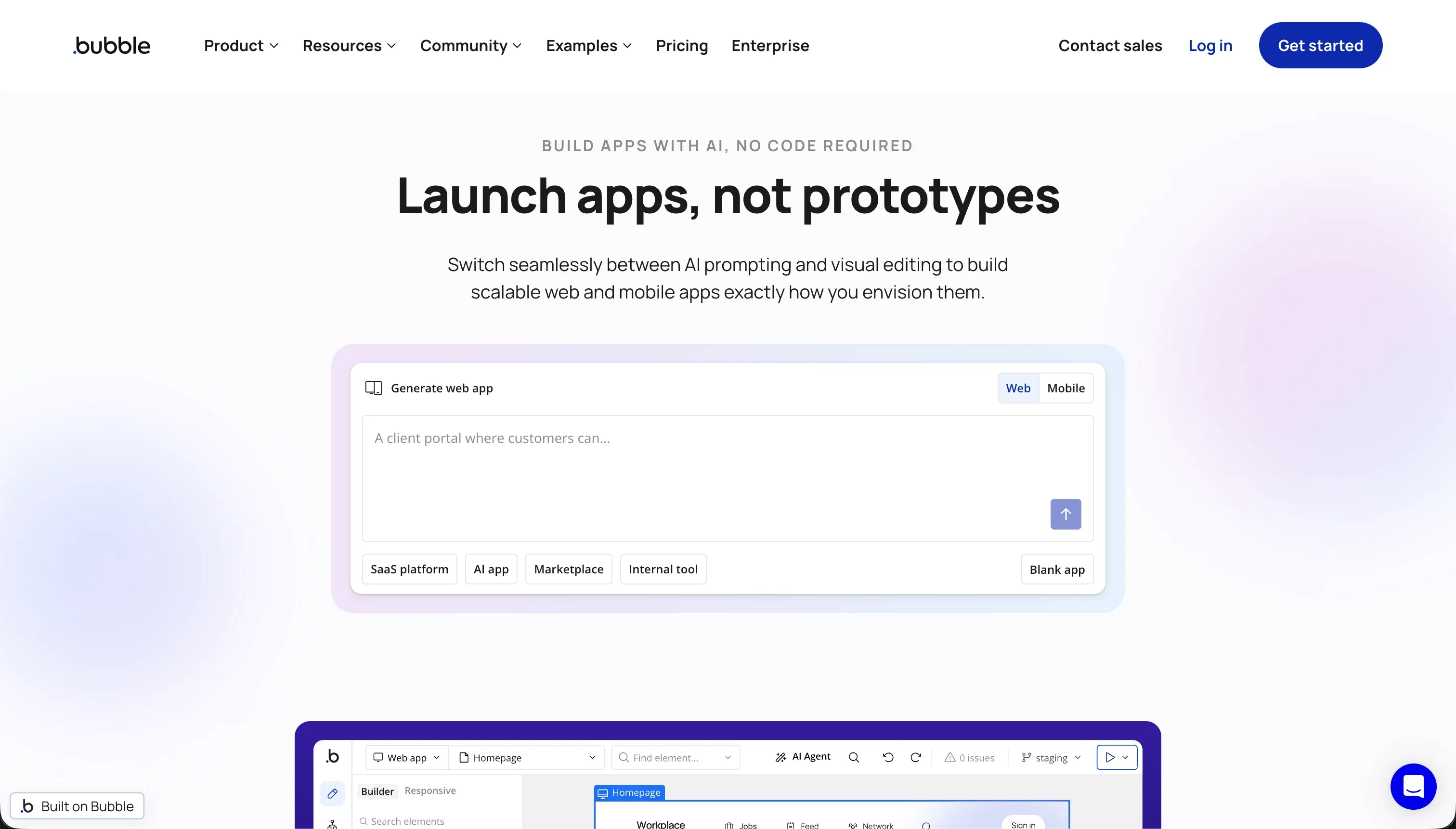
Bubble integrates the frontend builder, user authentication, and relational database into one visual platform. You do not need to configure API connectors or token exchange payloads to register users or save records. The visual logic builder handles state management natively, and the platform supports custom workflows and plugins. The main drawback is that you are locked into Bubble’s infrastructure, and its Workload Unit billing model makes scaling costs difficult to forecast.
v0
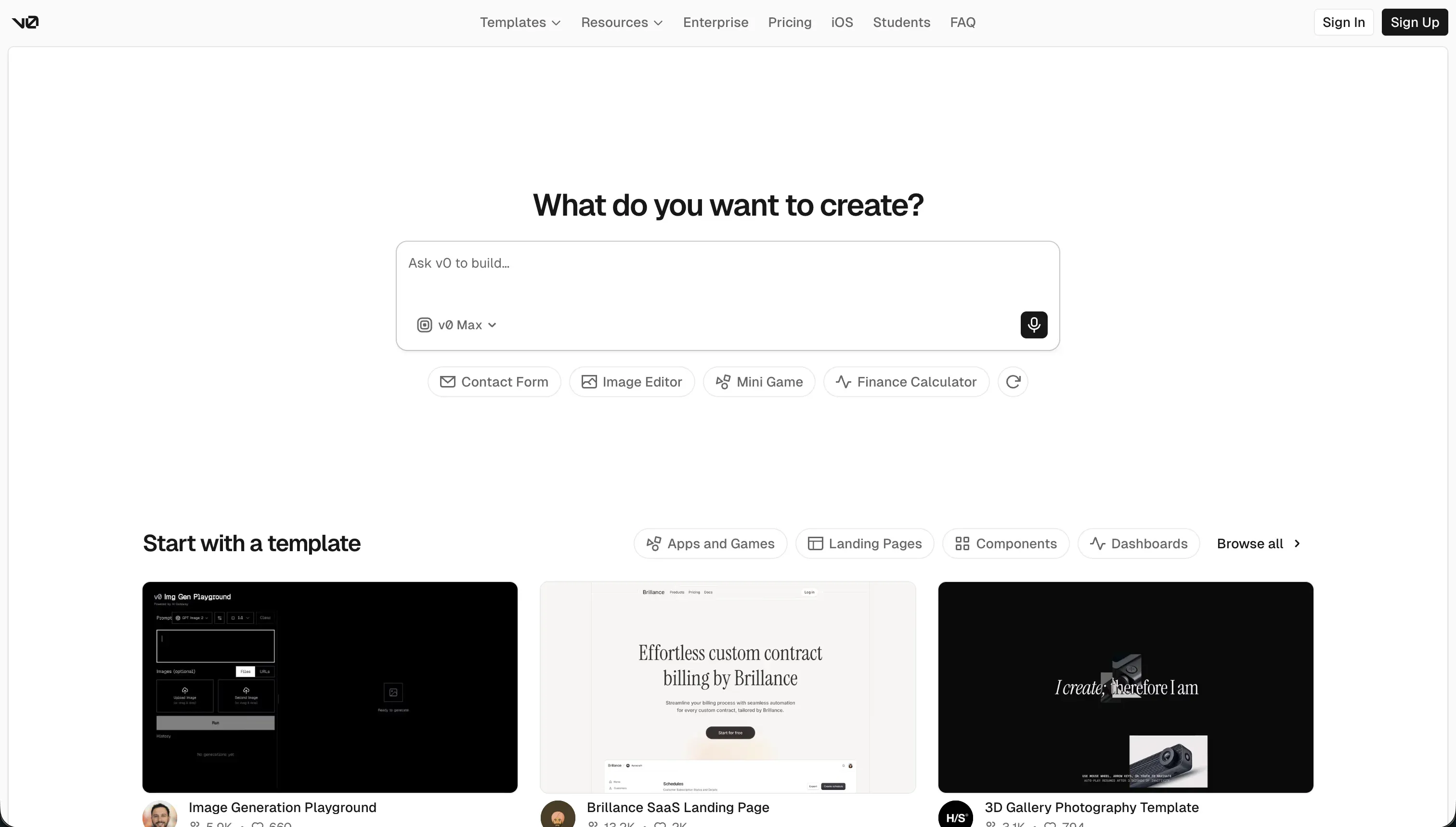
v0 by Vercel is an AI-powered code generator that focuses on frontend UI. You prompt the AI to generate React components styled with Tailwind CSS and shadcn/ui. Unlike Zite, v0 outputs clean, production-grade code that you can copy, paste, and host on Vercel or any other hosting provider. It is highly optimized for frontend developer workflows. However, it does not include database hosting, so you will still need to build your own API backend.
If you need internal tools your team can maintain
If you are building database tools, inventory managers, or project trackers for your employees, Softr provides a zero-maintenance approach.
Softr
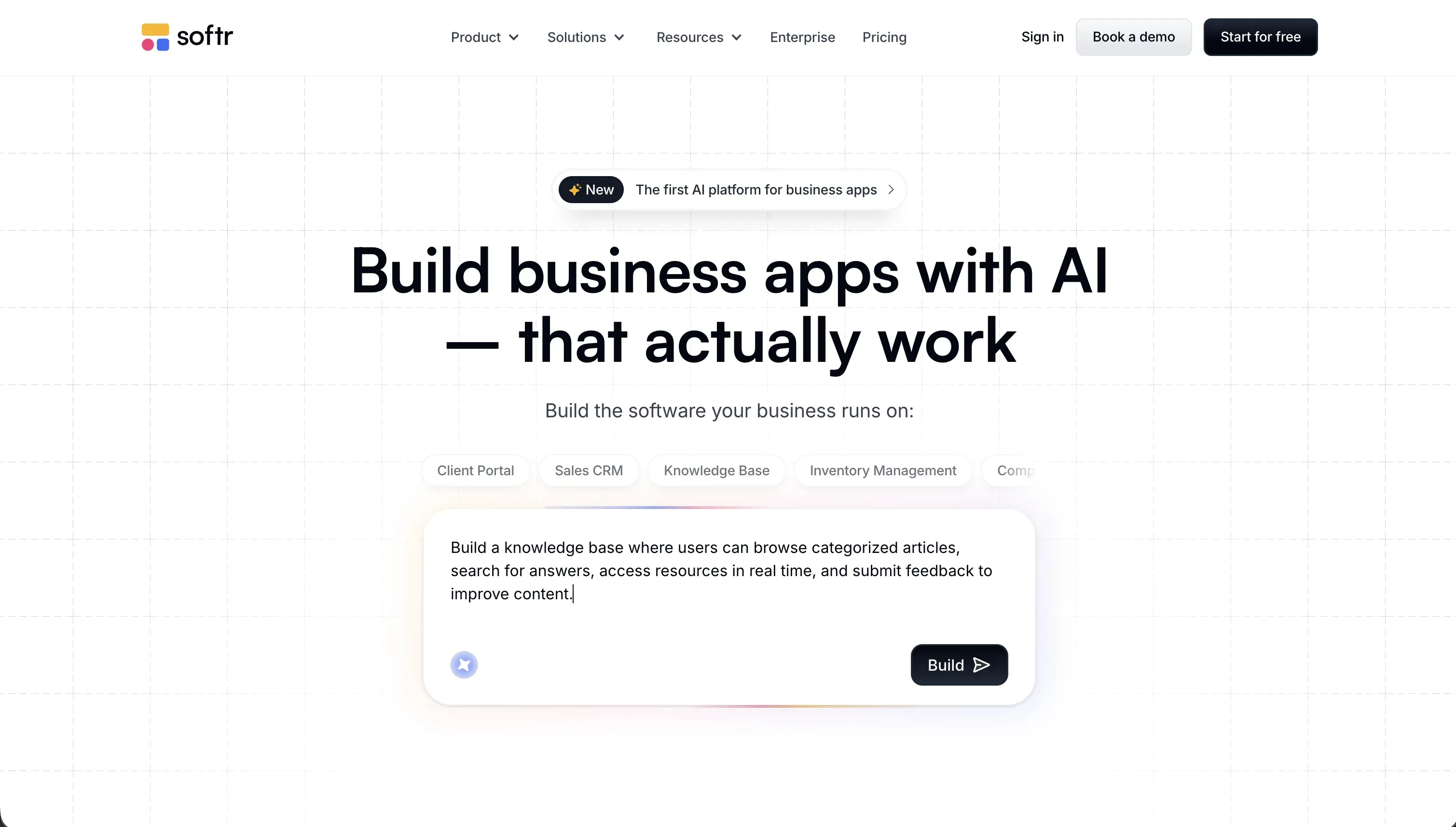
Softr is built specifically for internal business applications. Its AI Co-Builder generates a complete application from a plain-text prompt - database tables, pages, layouts, and permissions - in minutes. The output is a secure no-code app running on Softr’s platform. Your operations managers, HR team, or finance department can make changes directly in the editor - adding fields, modifying page structures, or updating workflows visually without needing to write code or debug complex layout logic.
Softr features predictable flat-rate pricing (Basic at $19/month, Pro at $99/month, Business at $329/month) with unlimited application collaborators. It integrates natively with Airtable, Google Sheets, and its own database, making data management instant and secure. While Softr does not export raw code or build native mobile packages, it generates Progressive Web Apps (PWAs) that teams can install via a simple link, avoiding the overhead of App Store reviews and updates.
Retool
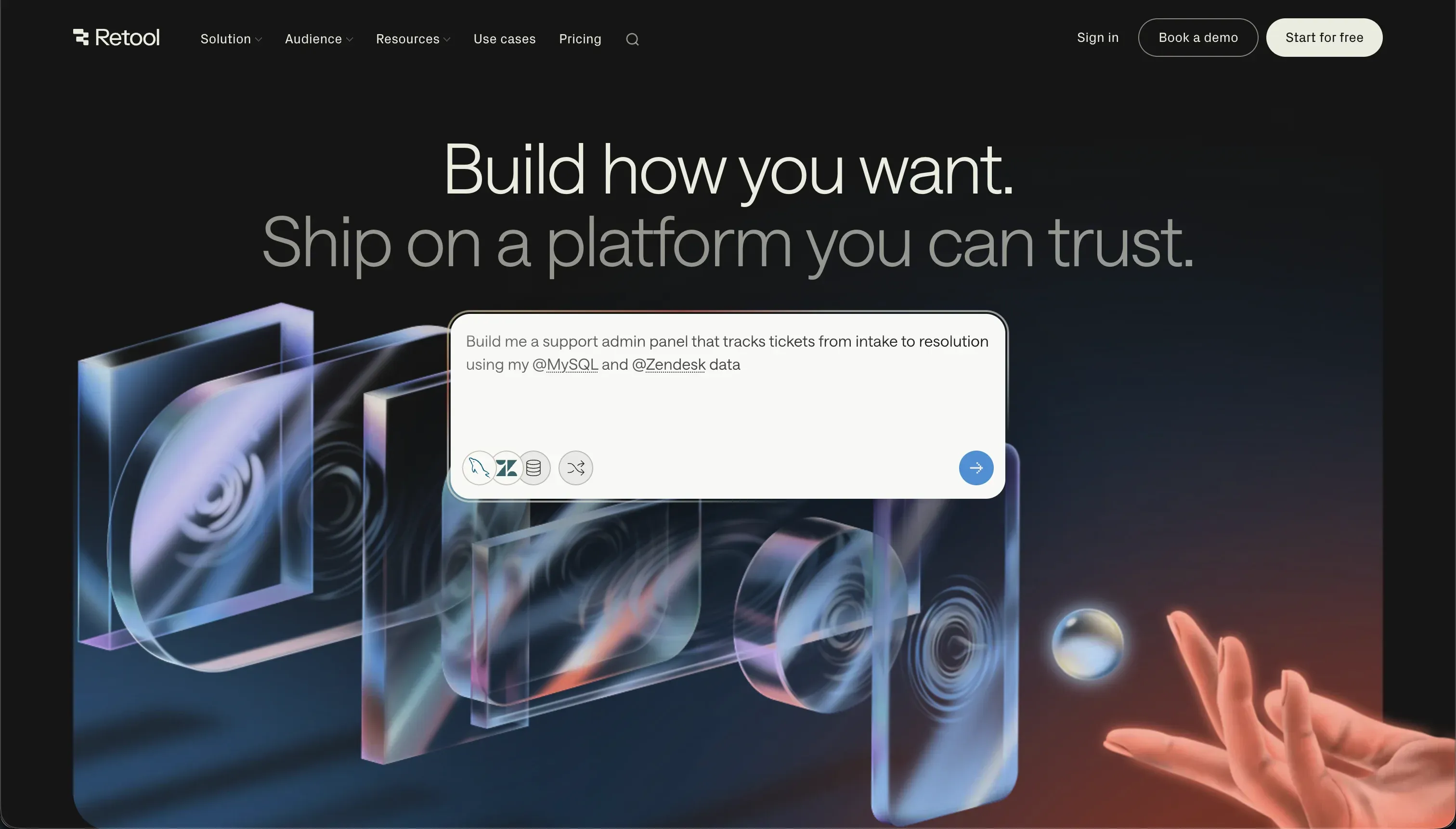
Retool is a developer-centric builder designed to construct internal dashboards on top of existing databases or APIs. It connects directly to PostgreSQL, MySQL, and REST endpoints, providing over 100 pre-built UI components like tables and forms. It is significantly faster than Zite for data-heavy internal tools. However, Retool is not a true no-code tool, as writing queries requires SQL and JavaScript, and its seat-based pricing ($10/user/month on the Team tier) scales quickly for larger teams.
If you want AI building with code export
If you like conversational app builders but want access to clean, exportable code.
Bolt
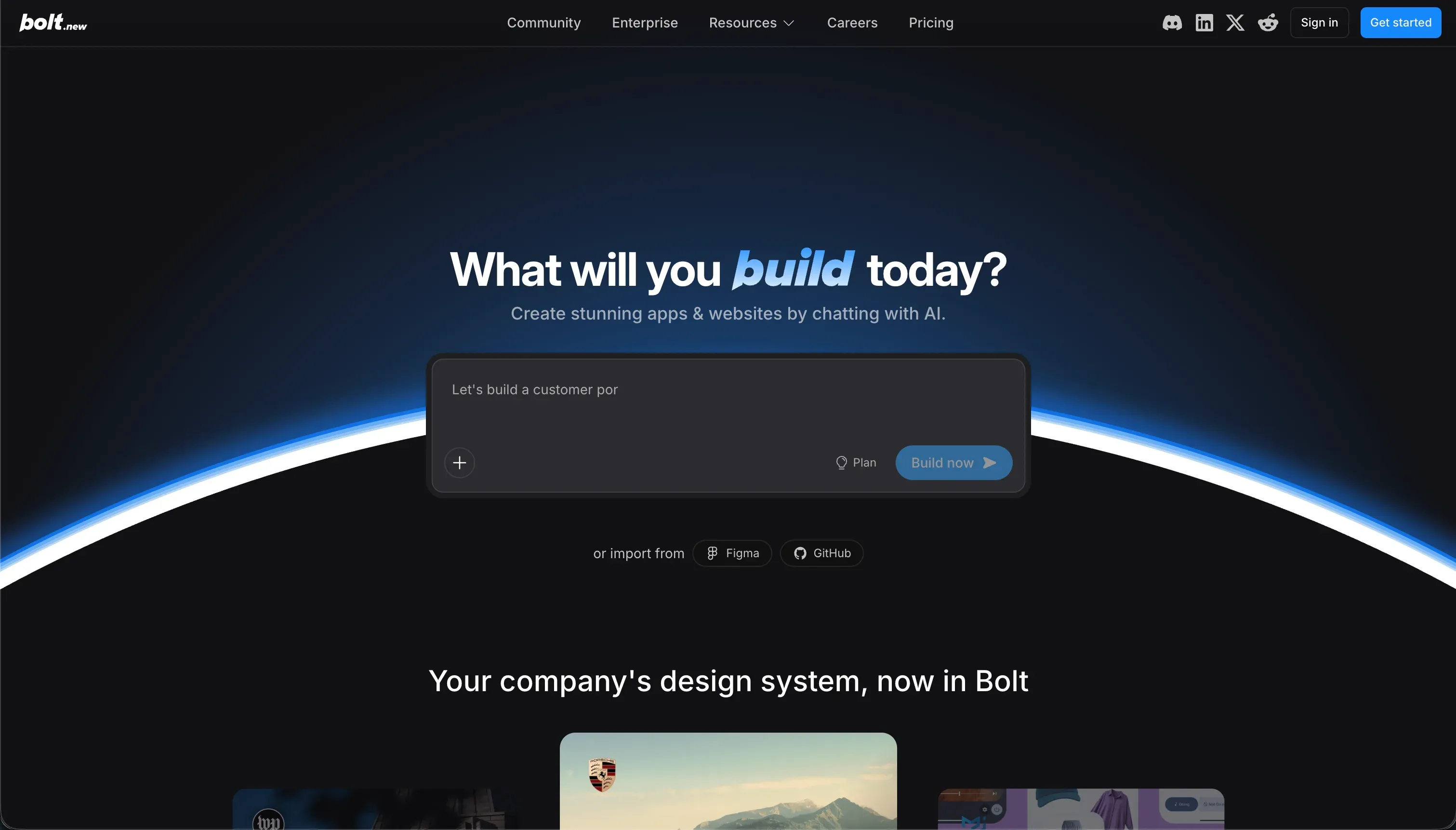
Bolt is an AI-powered development environment that runs directly in your browser. You write prompts to generate and modify React frontends in real time, with immediate visual previews. Bolt allows you to install npm packages, run build scripts, and download the full source code whenever you are ready to migrate to your local machine. The Pro plan costs $25/month and offers generous token limits for iterative building.
Lovable
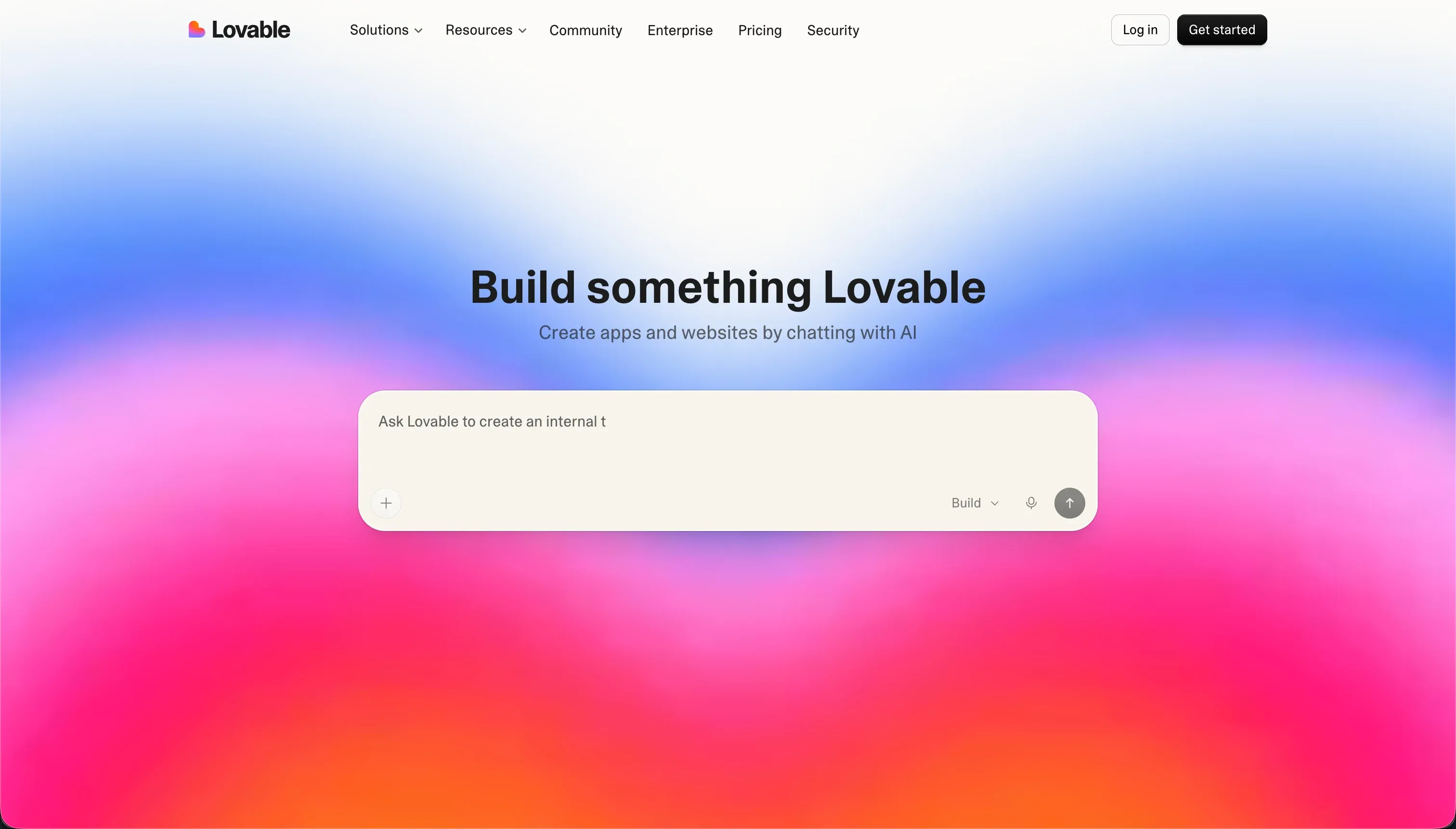
Lovable generates a full React frontend, a Node.js backend, and a Supabase database schema from a single conversational prompt. It handles authentication, data tables, and routing automatically. The output is a clean codebase synced to GitHub, which you can export at any time. The trade-off is credit consumption: debug loops can deplete credits quickly on the Pro plan (€25/month for 100 credits), and you must audit the generated Row Level Security (RLS) policies to prevent unauthorized data access.
If you need client portals and external-facing web apps
If you need a secure, white-labeled client space where external users can log in to view and update records.
Softr
Softr handles external-facing apps with a visual, click-to-configure permissions model. You define user groups - such as clients, partners, or vendors - and visually assign which pages, blocks, and records they can access. Setting up a client portal where each client logs in and sees only their assigned projects, invoices, and communications is a simple setting rather than a complex relational database query.
Softr supports white-label branding and custom domains, allowing the portal to look like your own proprietary software. It also includes built-in signup, login, password reset, and SSO pages out of the box, with no custom workflow configuration required.
If you want to build native mobile apps
Zite is designed for web databases and does not build native mobile packages.
FlutterFlow
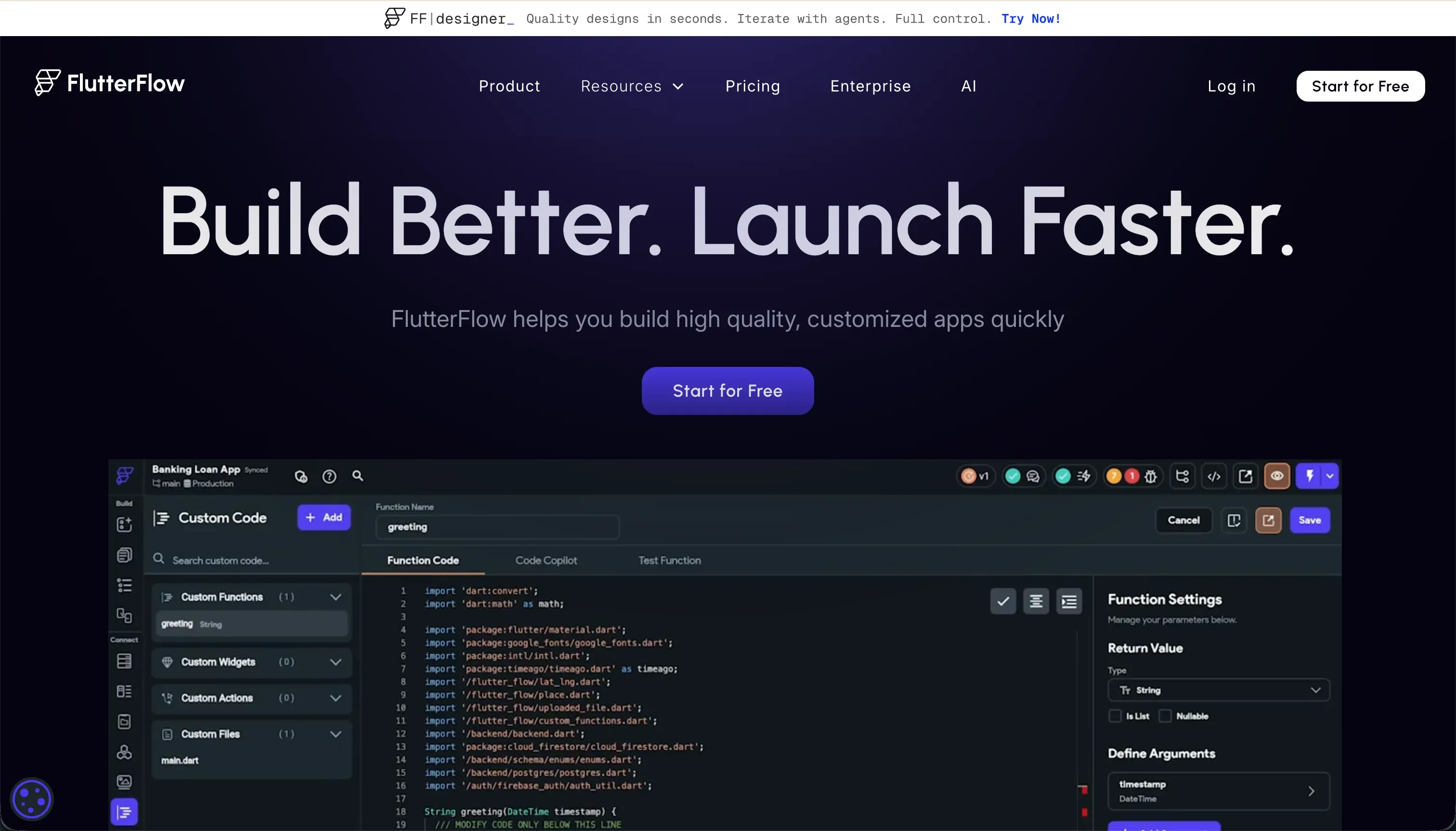
FlutterFlow compiles visual layouts directly to native Flutter (Dart) code, providing fast mobile performance and App Store distribution pipelines. It integrates natively with Firebase and Supabase, and allows full code export on standard plans. The learning curve is steep, as it requires understanding Flutter widget structures, but it is the strongest visual option for native mobile apps. The Pro plan costs $50/month (billed annually).
Glide
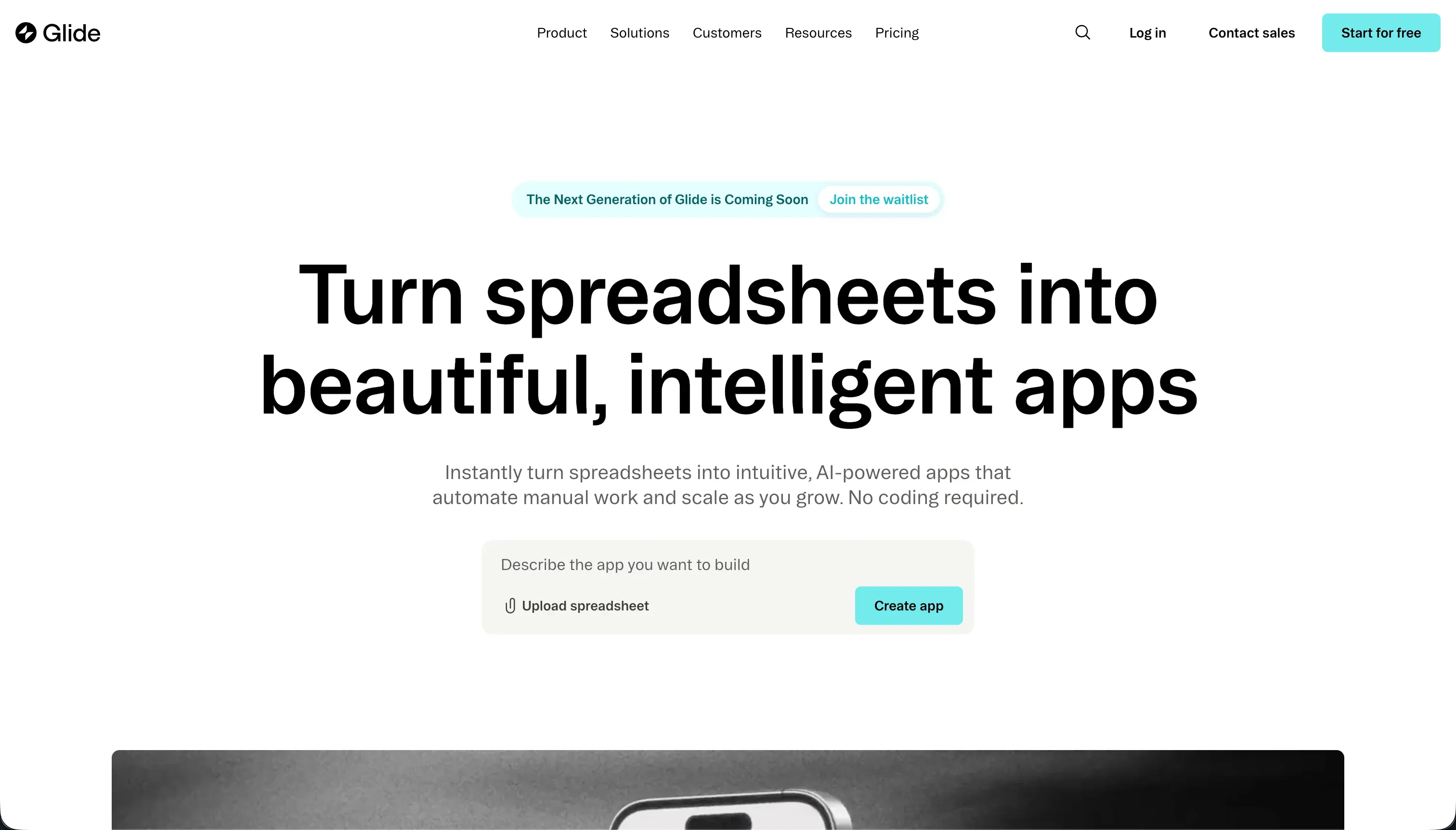
Glide builds responsive, mobile-first web applications from spreadsheets instantly. You connect your data, and Glide generates a clean mobile layout with pre-designed components. It does not build native app packages for the app stores, but it is a fast and efficient tool for launching mobile-responsive database tools without layout configuration.
Bottom line
Zite is a helpful tool for rapid conversational mockups, but its credit limits and layout constraints can make scaling difficult. For team databases and client dashboards, Softr offers stable layouts and direct Airtable connections without credit burn. If you need code ownership, check out Bolt or Replit.
→ Compare Bubble vs Softr in detail - side-by-side on pricing, permissions, and maintenance. → Browse all reviewed tools for the full comparison across AI app builders.