
Why people look for FlutterFlow alternatives
FlutterFlow is a visual wrapper around the Flutter framework. While it is excellent for exporting clean Dart code and compiling native iOS and Android binaries, it introduces specific friction that drives builders to look for other platforms.
Steep layout learning curve
You cannot just drop a button anywhere you want in FlutterFlow. Because it mirrors the Flutter framework, you have to understand rows, columns, containers, padding, constraints, and widget tree nesting. For non-developers, building even a simple interface takes hours of layout debugging. The editor is packed with menus and nested switches, making the workspace feel cluttered and overwhelming.
Database setup and rule configuration overhead
FlutterFlow does not store your app data out of the box. You have to configure an external database like Firebase or Supabase. This means you must write database security rules, configure authentication services, map table schemas, and handle API payloads yourself. For teams looking for a fast setup, this backend development overhead offsets the benefits of using a visual builder.
Poor web performance and SEO
When you deploy a FlutterFlow app to the web, it compiles to Flutter Web. The default CanvasKit rendering engine loads slowly and creates a heavy bundle size. This makes web apps feel sluggish on mobile browsers and hurts search engine indexability, making it a poor choice for public-facing blogs, landing pages, or directory sites.
Vague error messages and support gaps
Debugging visual errors or logic flows in FlutterFlow can be exhausting. The builder often fails to show precise error details when a build breaks, leaving you to guess which container or action block is failing. The community forums are complicated to navigate, and official support tickets can go unanswered for days.

The best FlutterFlow alternatives, by use case
If you want to move away from FlutterFlow, the best alternative depends on whether you are targeting web apps, internal company systems, simple mobile tools, or developer-first code sandboxes.
If you want to build a complex web application
If you are building a complex web application, you need a platform optimized for the browser rather than mobile rendering engines.
Bubble
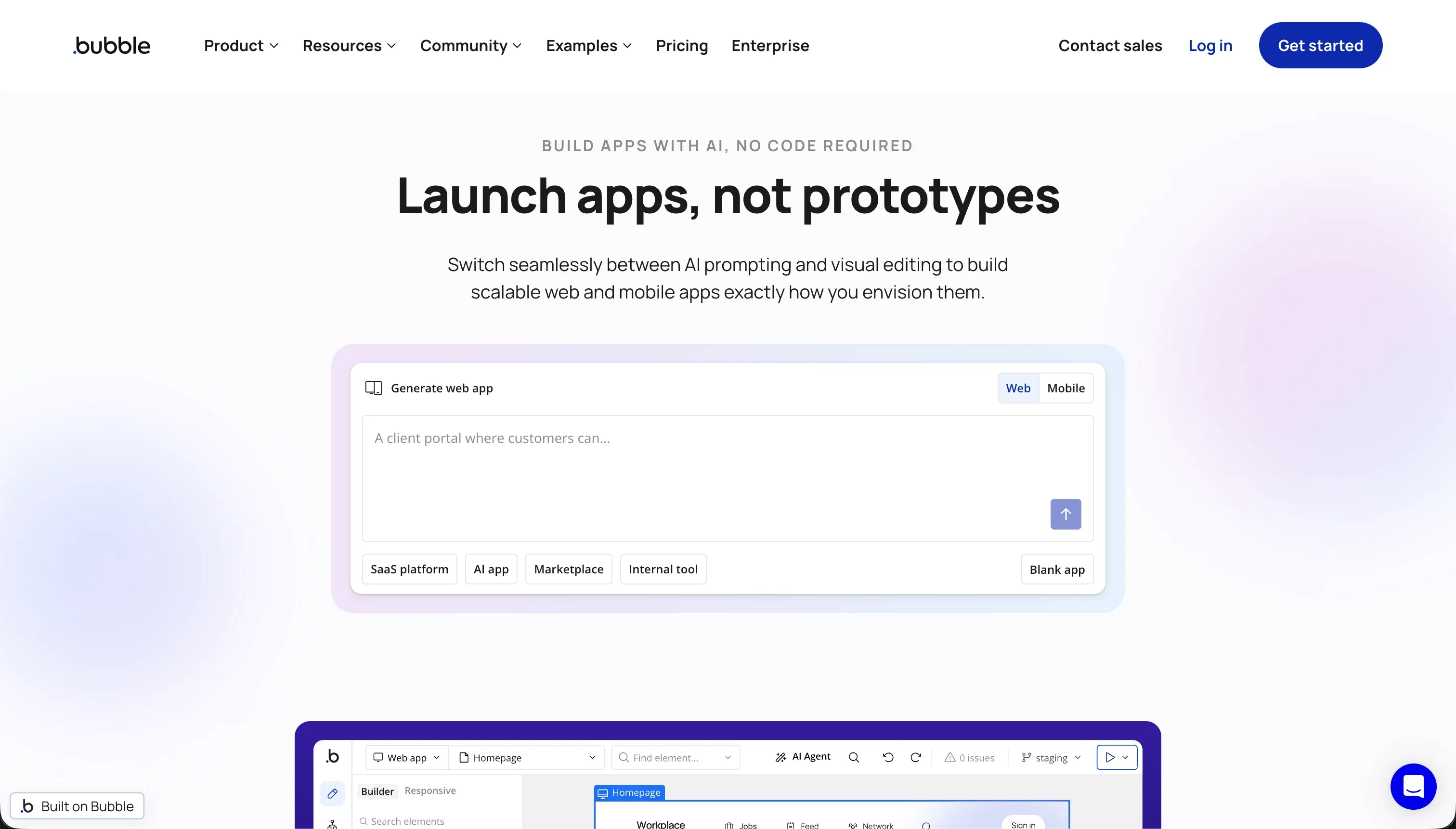
Bubble is the most established full-stack visual builder. It features a built-in database and visual logic editor that handles state management natively, avoiding the CanvasKit web-loading issues that slow down FlutterFlow pages. The visual editor allows you to draw layouts freely, and the extensive plugin ecosystem helps integrate payments, auth, and external APIs. The main drawback is Bubble’s Workload Unit pricing, which can spike unpredictably as your database queries scale.
WeWeb
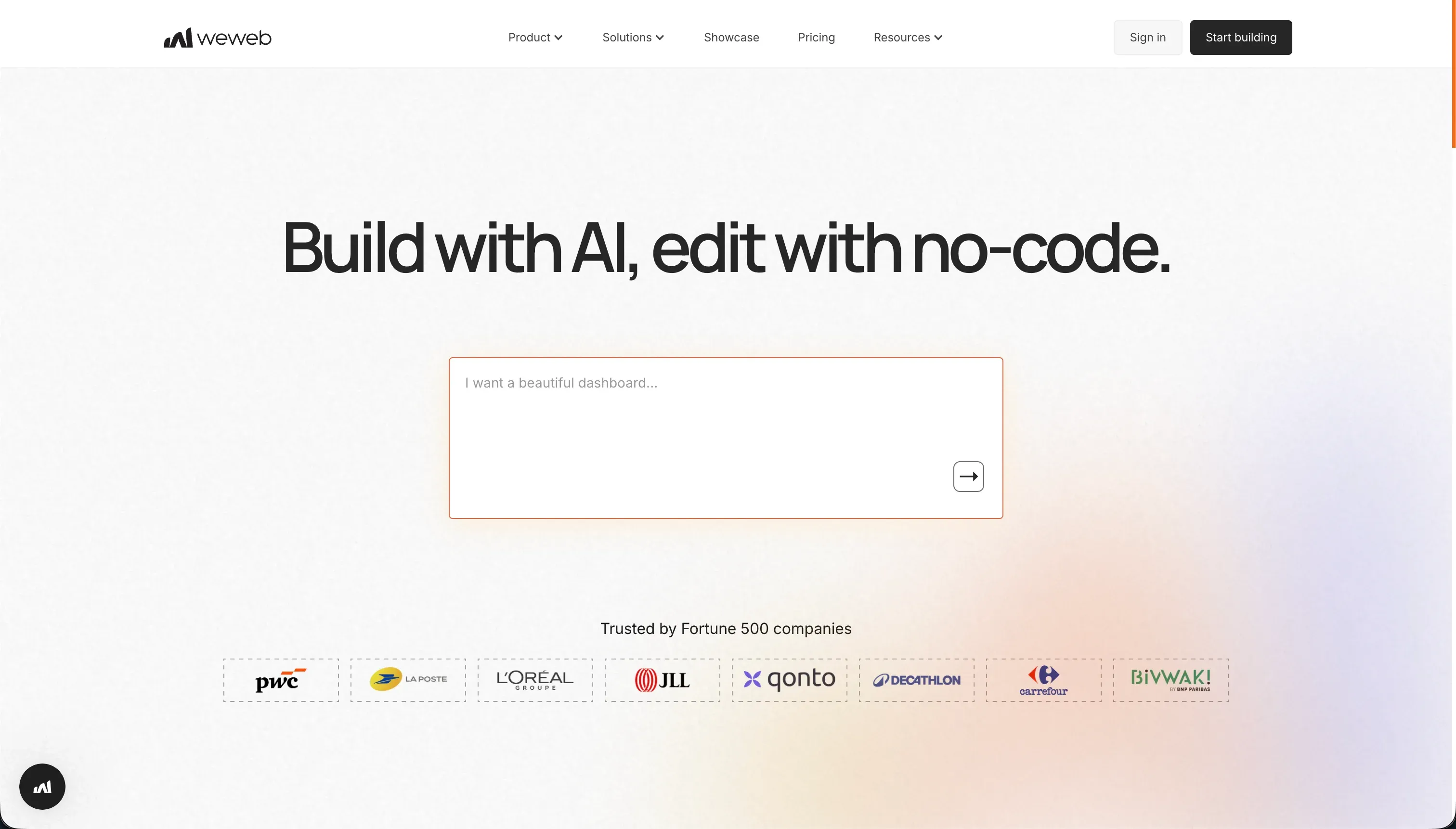
WeWeb is a no-code frontend builder that connects to your own backend, such as Supabase, Xano, or a custom REST API. Unlike FlutterFlow, WeWeb compiles to standard Vue.js/Nuxt.js code, making the resulting web applications highly optimized for SEO and fast initial page loads. You get complete visual control over layout spacing and CSS styling. However, WeWeb does not store data natively, meaning you still have to manage and pay for an external database stack.
If you need internal tools your team can maintain
If you are building directories, inventory systems, or task trackers for your team, FlutterFlow’s widget tree layout system is overkill.
Softr
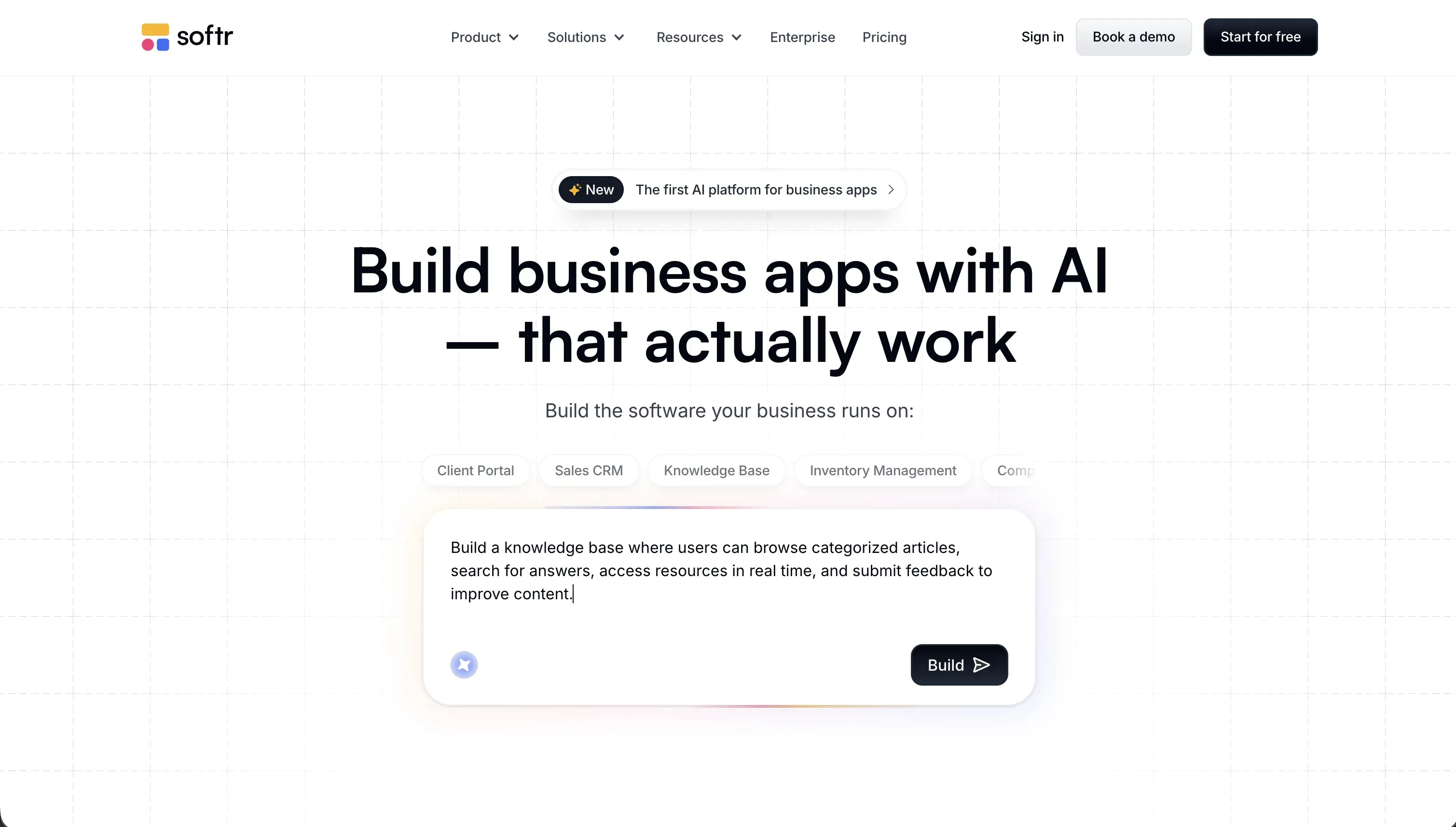
Softr is built specifically for internal business applications. Its AI Co-Builder generates a complete application from a plain-text prompt - database tables, pages, layouts, and permissions - in minutes. The output is a secure no-code app running on Softr’s platform. Your operations managers, HR team, or finance department can make changes directly in the editor - adding fields, modifying page structures, or updating workflows visually without needing to write code or debug complex layout logic.
Softr features predictable flat-rate pricing (Basic at $19/month, Pro at $99/month, Business at $329/month) with unlimited application collaborators. It integrates natively with Airtable, Google Sheets, and its own database, making data management instant and secure. While Softr does not export raw code or build native mobile packages, it generates Progressive Web Apps (PWAs) that teams can install via a simple link, avoiding the overhead of App Store reviews and updates.
Retool

Retool is a developer-centric builder designed to construct internal dashboards on top of existing databases or APIs. It connects directly to PostgreSQL, MySQL, and REST endpoints, providing over 100 pre-built UI components like tables and forms. It is significantly faster than FlutterFlow for data-heavy internal tools. However, Retool is not a true no-code tool, as writing queries requires SQL and JavaScript, and its seat-based pricing ($10/user/month on the Team tier) scales quickly for larger teams.
If you need native mobile apps or simple mobile MVPs
If native App Store deployment is a hard requirement, but you want to escape FlutterFlow’s developer-focused layout editor, you have two mobile-first alternatives.
Adalo
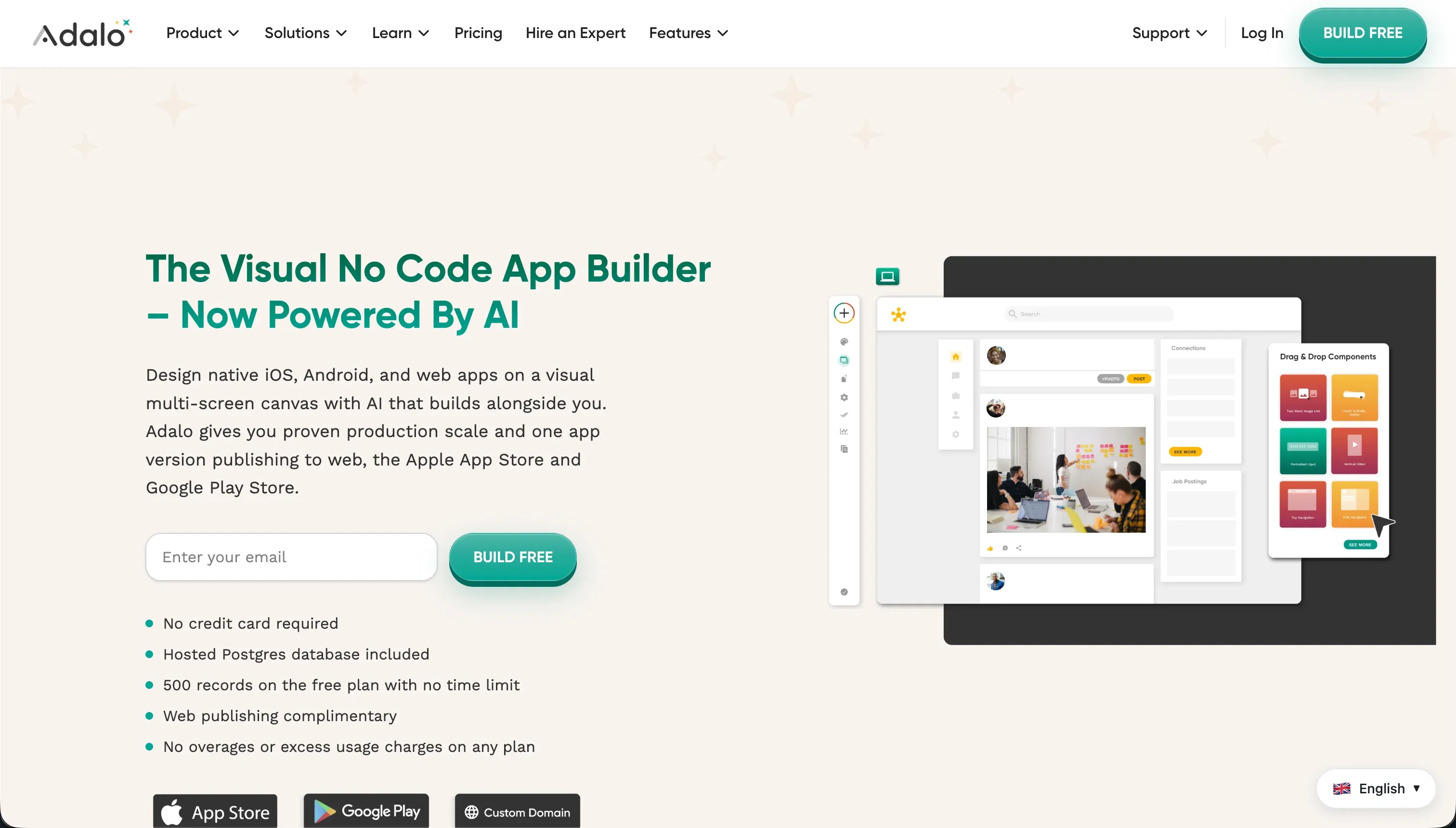
Adalo offers a simpler drag-and-drop canvas for publishing iOS and Android apps directly to the stores. You can place elements freely without worrying about Flutter layout constraints. The database is built-in, making authentication and record linking straightforward. The trade-off is performance: Adalo apps can struggle with loading speed as data scales, and its basic permissions structure is not built for complex business logic. The Professional plan starts at $52/month but limits you to 30,000 database records.
Glide
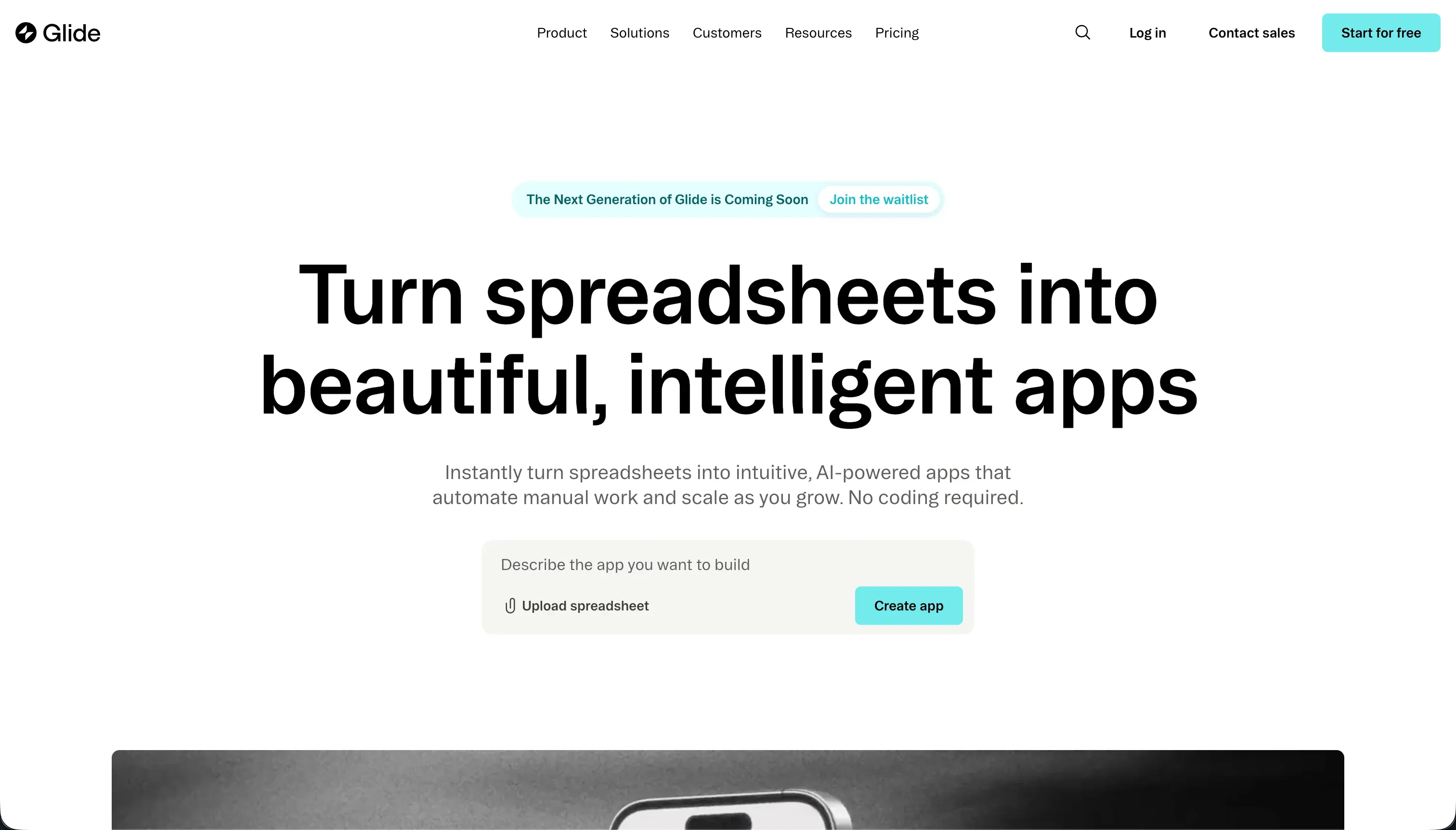
Glide is the fastest way to turn spreadsheets and databases into clean, mobile-first web applications. You connect Glide to Airtable or Google Sheets, and it automatically scaffolds a responsive interface. It is highly optimized for mobile screens, removing layout design debt entirely. The drawback is that Glide does not build native app binaries for the App Store, and visual customization is limited to pre-designed templates.
If you need client portals and external-facing apps where users log in and see their own data
Sharing data securely with external clients or partners in FlutterFlow requires manual backend database rule configuration, which is easy to misconfigure.
Softr
Softr handles external-facing apps with a visual, click-to-configure permissions model. You define user groups - such as clients, partners, or vendors - and visually assign which pages, blocks, and records they can access. Setting up a client portal where each client logs in and sees only their assigned projects, invoices, and communications is a simple setting rather than a complex relational database query.
Softr supports white-label branding and custom domains, allowing the portal to look like your own proprietary software. It also includes built-in signup, login, password reset, and SSO pages out of the box, with no custom workflow configuration required.
If you want a developer-first environment with AI code generation
If you prefer code ownership and want AI assistance in a cloud-hosted development workspace rather than a visual widget editor.
Replit
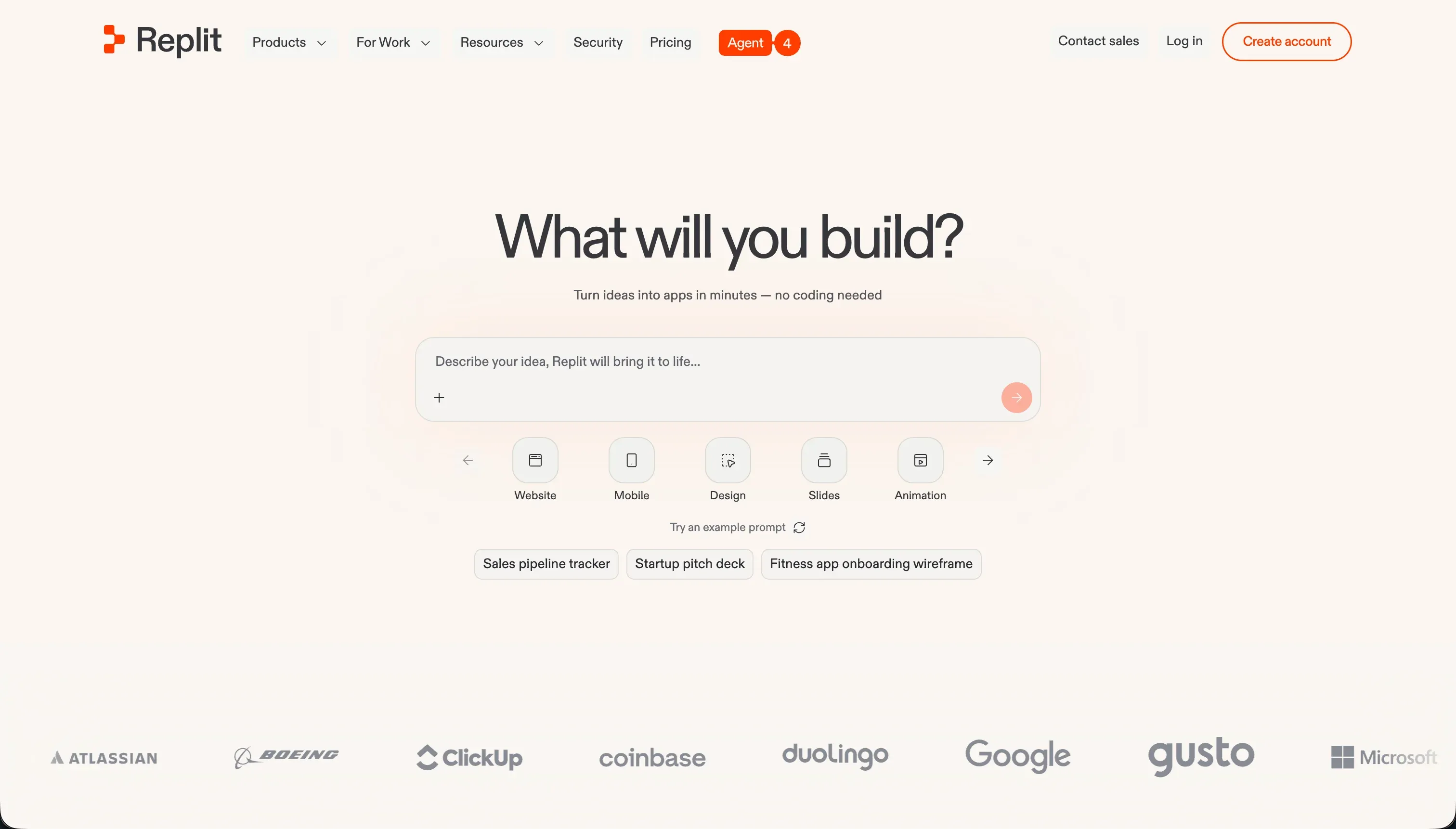
Replit is a collaborative cloud IDE that features a powerful AI agent. You describe your application in natural language, and Replit scaffolds the full-stack code, configures the database, and hosts the live app automatically. You retain full access to every code file, allowing you to edit the backend and frontend scripts directly. It is a true developer sandbox that does not lock you into a proprietary visual editor. The Core plan starts at $15/month.
Bolt
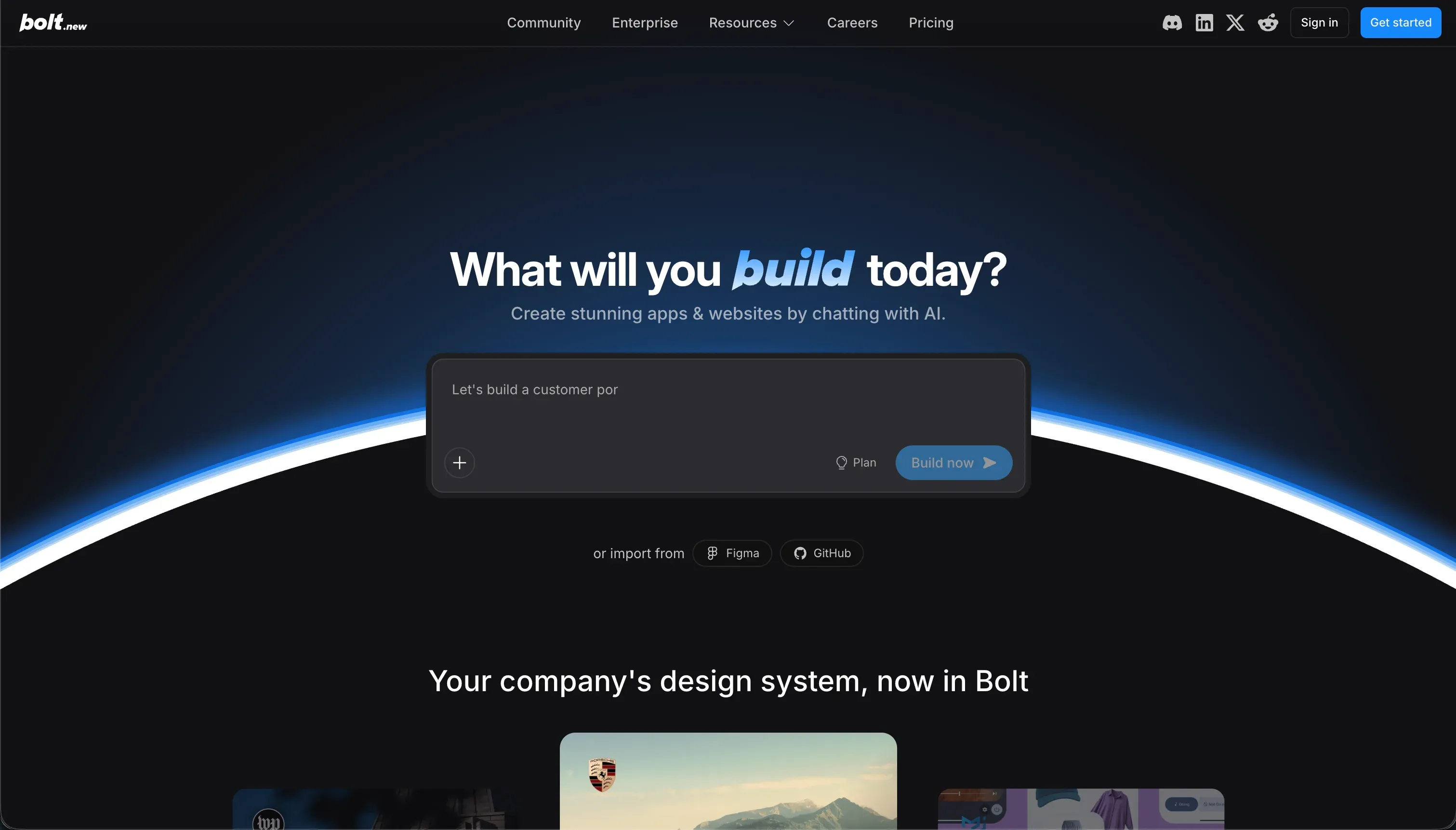
Bolt is an AI-powered development environment that runs directly in your browser. You write prompts to generate and modify React frontends in real time, with immediate visual feedback. Bolt allows you to install npm packages, run build scripts, and download the full source code whenever you are ready to migrate to your local machine. The Pro plan costs $25/month and offers generous token limits for iterative building.

Bottom line
FlutterFlow is designed for developers who need native App Store binaries and clean Dart code export. If you are building team tools, databases, or client portals, Softr will save you weeks of layout configuration and database rule setup. If you want full code ownership and developer control, look at Replit or Bolt instead.
→ Compare Bubble vs Softr in detail - side-by-side on pricing, permissions, and maintenance. → Browse all reviewed tools for the full comparison across AI app builders.
