
Why people look for Softgen alternatives
Softgen is built to generate web apps and layouts through simple conversational prompts. While it is useful for launching early-stage mockups, it has specific visual constraints and pricing mechanics that frustrate builders.
Repetitive prompting loops and credit burn
Because Softgen lacks a visual drag-and-drop editor, you must describe every visual adjustment, text change, or alignment fix to the Cascade AI chat agent. If the AI misunderstands your request, you get stuck in a feedback loop. Every corrective prompt consumes pay-as-you-go credits, making minor styling updates and bug fixes surprisingly expensive.
Rigid layout templates
The Cascade AI agent works within predefined modular layout templates. If your application needs highly customized visual structures, non-standard layouts, or complex custom animations, the AI will struggle to generate them. The editor does not allow you to manually rearrange elements on a free-form canvas.
Customization ceiling
Once the AI generates the initial scaffolding, customizing the app further often requires writing custom code. This makes the platform difficult for non-technical users who want to add advanced features, and frustrates developers who want to jump in and refine the UI without fighting the AI’s template assumptions.
Maintainability and scaling limits
Softgen compiles full-stack applications with pre-configured schemas, but managing these schemas as your data needs scale can lead to technical debt. The lack of granular visibility controls, advanced permissions, and flexible workflow automation makes it difficult to run complex business operations on the platform.

The best Softgen alternatives, by use case
The best Softgen alternative depends on whether you want visual drag-and-drop control, AI-driven code generation, or a stable database app for your business operations.
If you want to generate full-stack web applications with AI
If you want to scaffold full-stack applications using conversational AI but need more control over the generated code.
Bolt
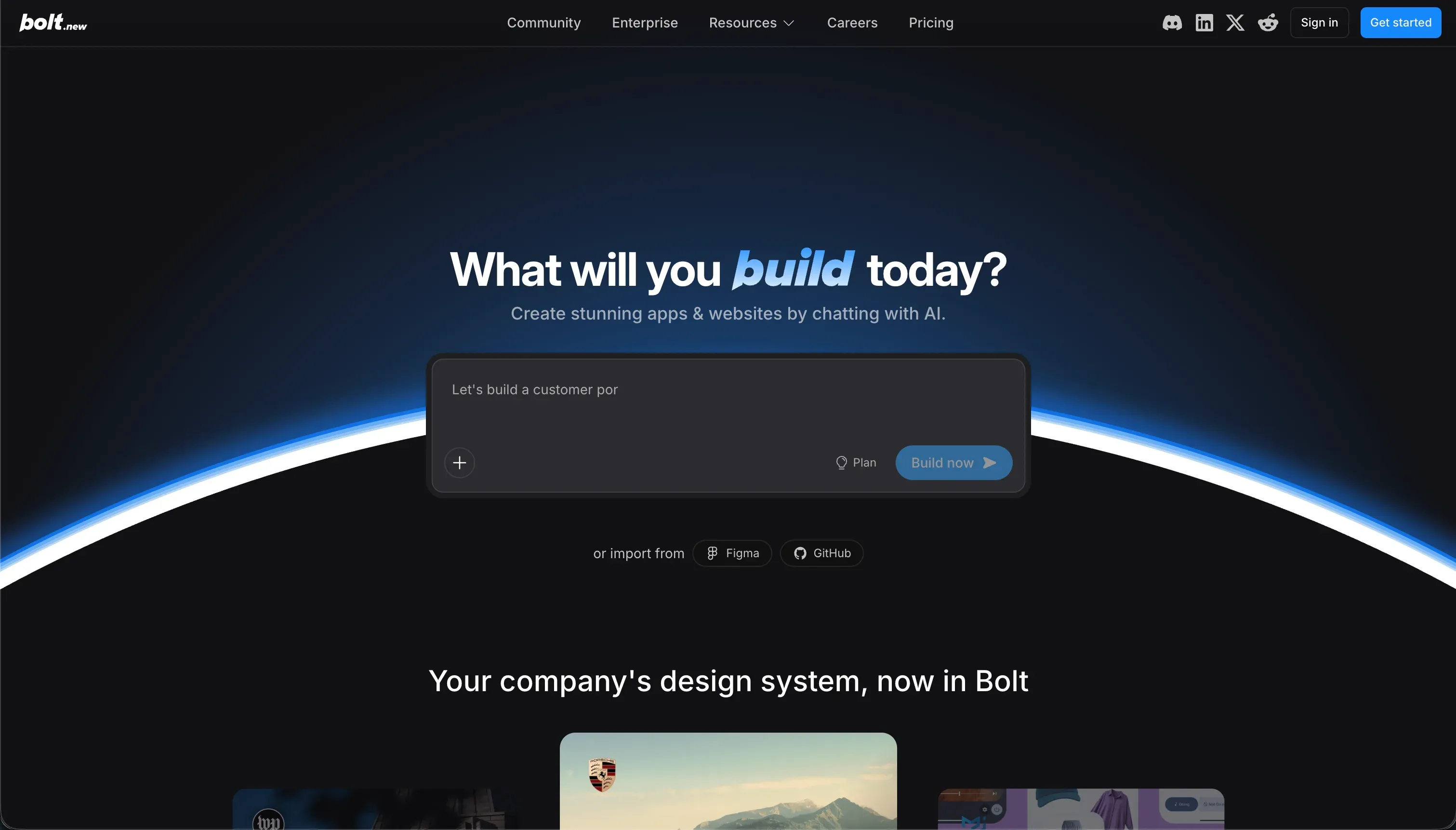
Bolt is an AI-powered development environment that runs directly in your browser. You write prompts to generate and modify React frontends in real time, with immediate visual previews. Bolt allows you to install npm packages, run build scripts, and download the full source code whenever you are ready to migrate to your local machine. The Pro plan costs $25/month and offers generous token limits for iterative building.
Lovable
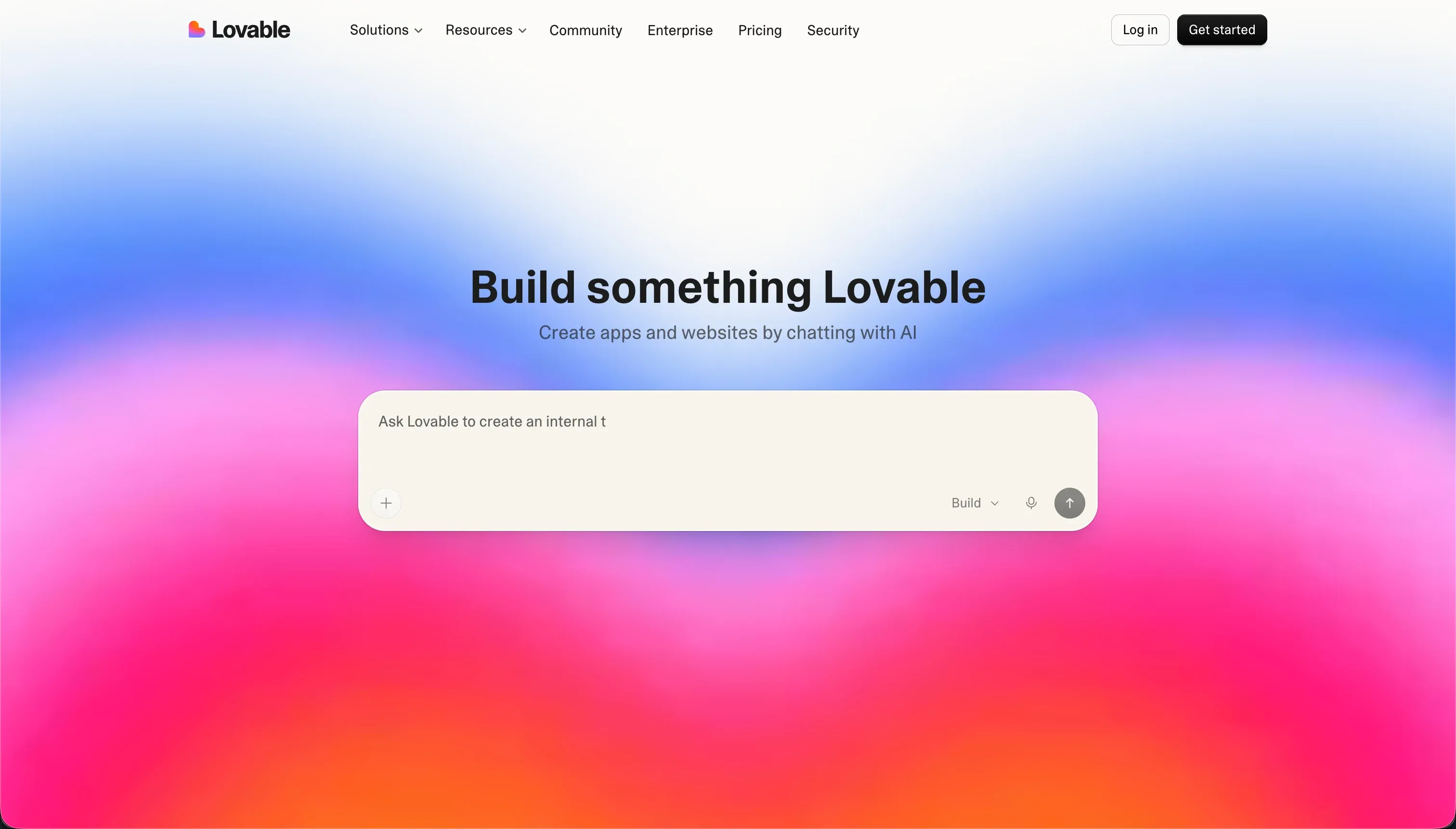
Lovable generates a full React frontend, a Node.js backend, and a Supabase database schema from a single conversational prompt. It handles authentication, data tables, and routing automatically. The output is a clean codebase synced to GitHub, which you can export at any time. The trade-off is credit consumption: debug loops can deplete credits quickly on the Pro plan (€25/month for 100 credits), and you must audit the generated Row Level Security (RLS) policies to prevent unauthorized data access.
If you need internal tools your team can maintain
If you are building database managers, directories, or team dashboards, Softr provides a zero-maintenance approach.
Softr
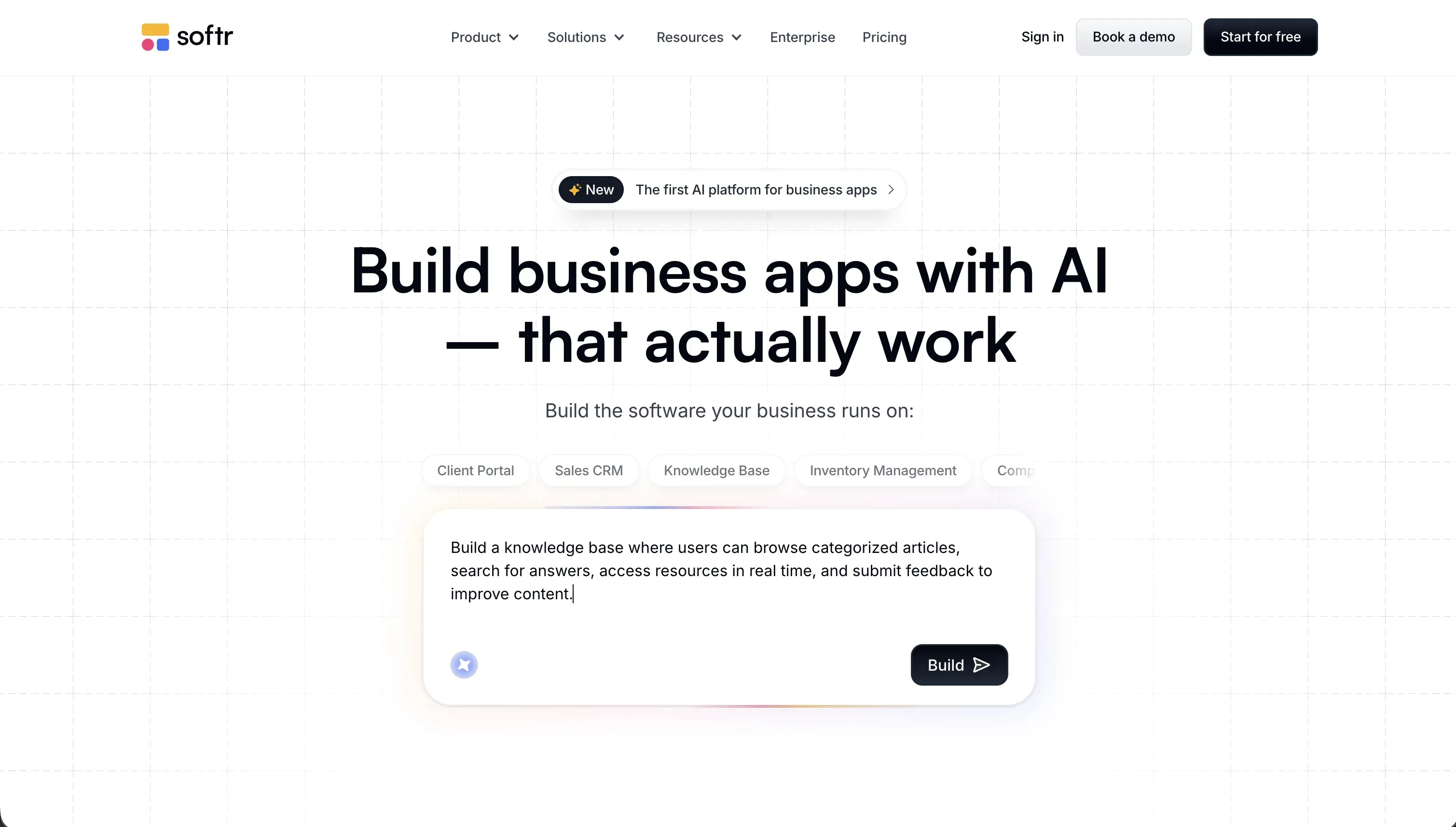
Softr provides a stable, visual drag-and-drop block builder where AI acts as an accelerator rather than a replacement. Its AI Co-Builder generates pages, user roles, permission rules, and data structures from a plain-text prompt. Once the scaffold is created, you have 100% manual visual control to edit, rearrange, or update elements directly in the visual editor. Your operations, HR, or finance teams can make changes directly without prompting AI or burning credits.
Softr integrates natively with Airtable, Google Sheets, and its own SQL database, mapping your sheets to UI elements like tables, calendars, and forms instantly. Pricing is flat-rate (Basic at $19/month, Pro at $99/month, Business at $329/month) with app users split into Team seats (same business email domain as builders) and Client seats. While it lacks Softgen’s raw code output, its pre-built blocks are mobile-responsive out of the box and can be extended with custom React code using the Vibe Coding block.
Retool

Retool is a developer-first tool designed to build internal dashboards on top of existing databases or APIs. It provides a library of pre-built UI components like tables and forms that connect directly to your database with SQL queries. If you already have database infrastructure running, Retool is faster than building a frontend from scratch. However, Retool is seat-based ($10/user/month on the Team tier), making it expensive for larger teams.
If you want to build visual MVPs with drag-and-drop control
If you want to build an MVP without code but need precise control over visual placement.
Bubble
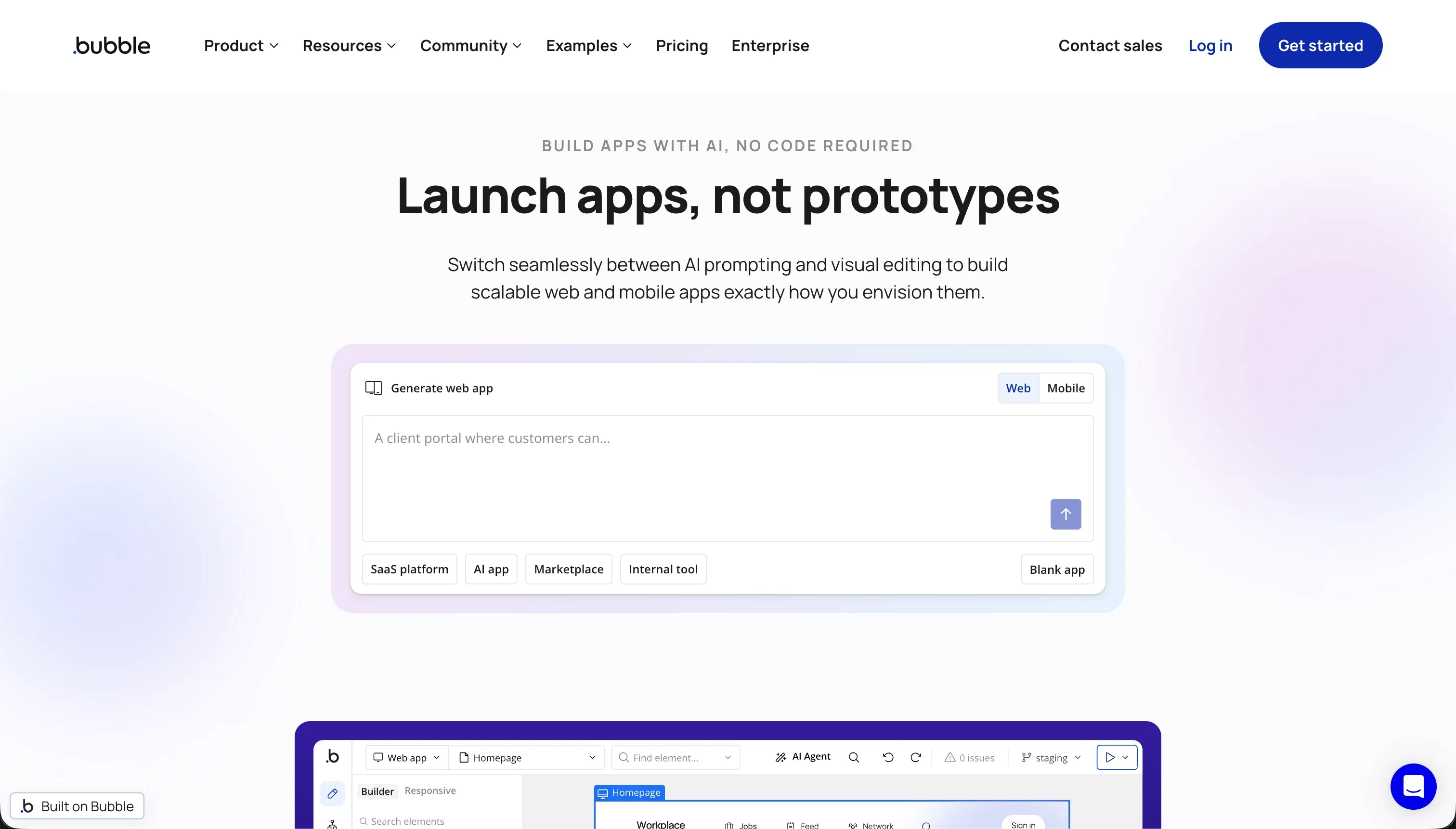
Bubble integrates the frontend builder, user authentication, and relational database into one visual platform. You do not need to configure API connectors or token exchange payloads to register users or save records. The visual logic builder handles state management natively, and the platform supports custom workflows and plugins. The main drawback is that you are locked into Bubble’s infrastructure, and its Workload Unit billing model makes scaling costs difficult to forecast.
Glide
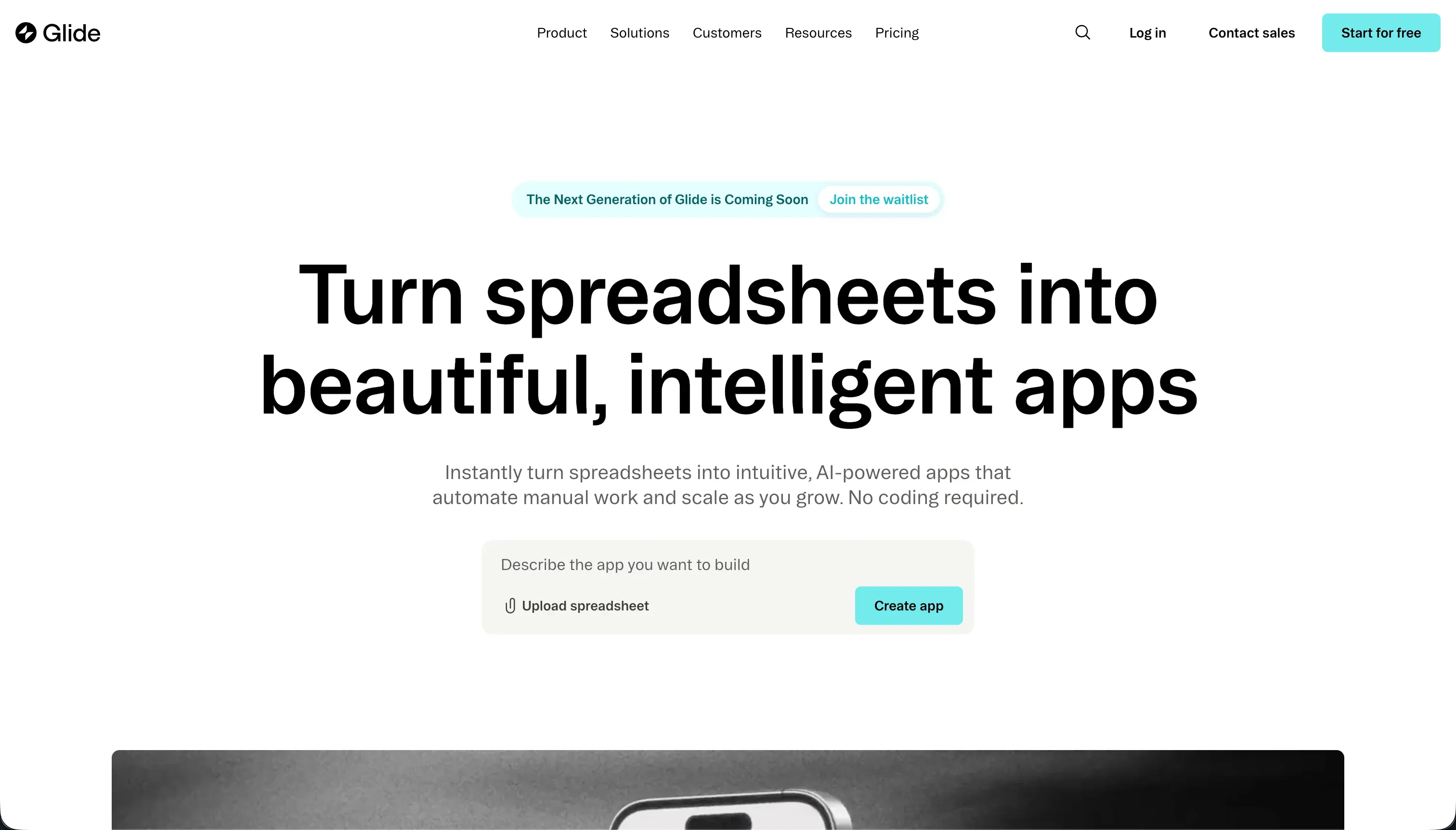
Glide is the fastest way to turn spreadsheets and databases into clean, mobile-first web applications. You connect Glide to Airtable or Google Sheets, and it automatically scaffolds a responsive interface. It is highly optimized for mobile screens, removing layout design debt entirely. The drawback is that Glide does not build native app binaries for the App Store, and visual customization is limited to pre-designed templates.
If you need client portals and external-facing web apps
If you need a secure, white-labeled client space where external users can log in to view and update records.
Softr
Softr simplifies client portals with a visual permissions model. You define user groups like clients or partners and assign access levels with simple checkmark settings. Setting up record-level filtering - ensuring each client only sees their own documents or invoices - is a point-and-click configuration rather than a complex API query or authentication token setup.
Softr portals are fully white-labeled, support custom domains, and include native login, signup, password reset, and SSO pages without needing custom code. External users can access the portal without per-seat licensing costs, making it highly cost-effective.
If you want a developer IDE alongside AI code generation
If you want to build a full-stack SaaS and need raw code access.
Replit
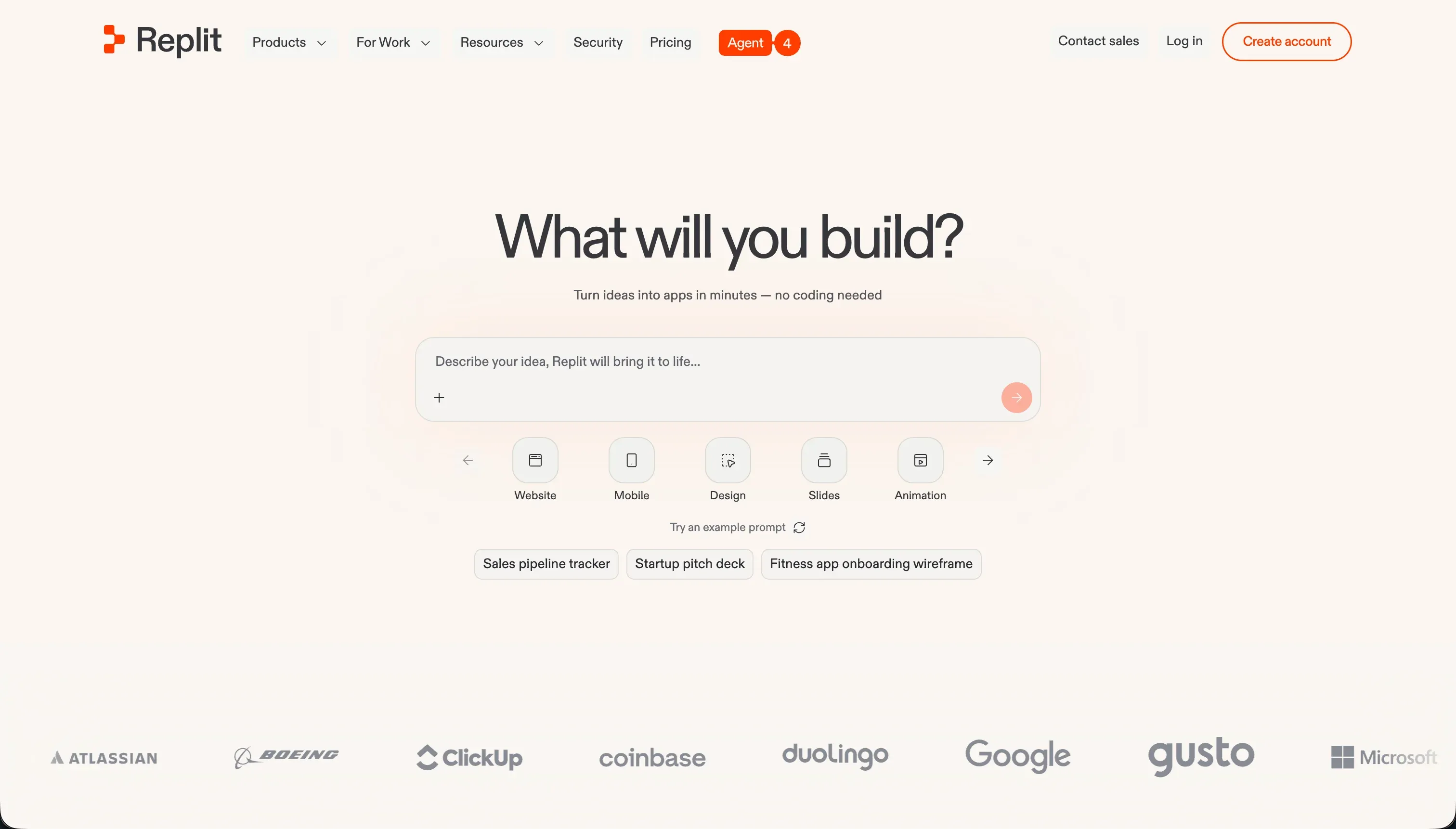
Replit is a collaborative cloud IDE that features a powerful AI agent. You describe your application in natural language, and Replit scaffolds the full-stack code, configures the database, and hosts the live app automatically. You retain full access to every code file, allowing you to edit the backend and frontend scripts directly. It is a true developer sandbox that does not lock you into a proprietary visual editor. The Core plan starts at $15/month.
Cursor
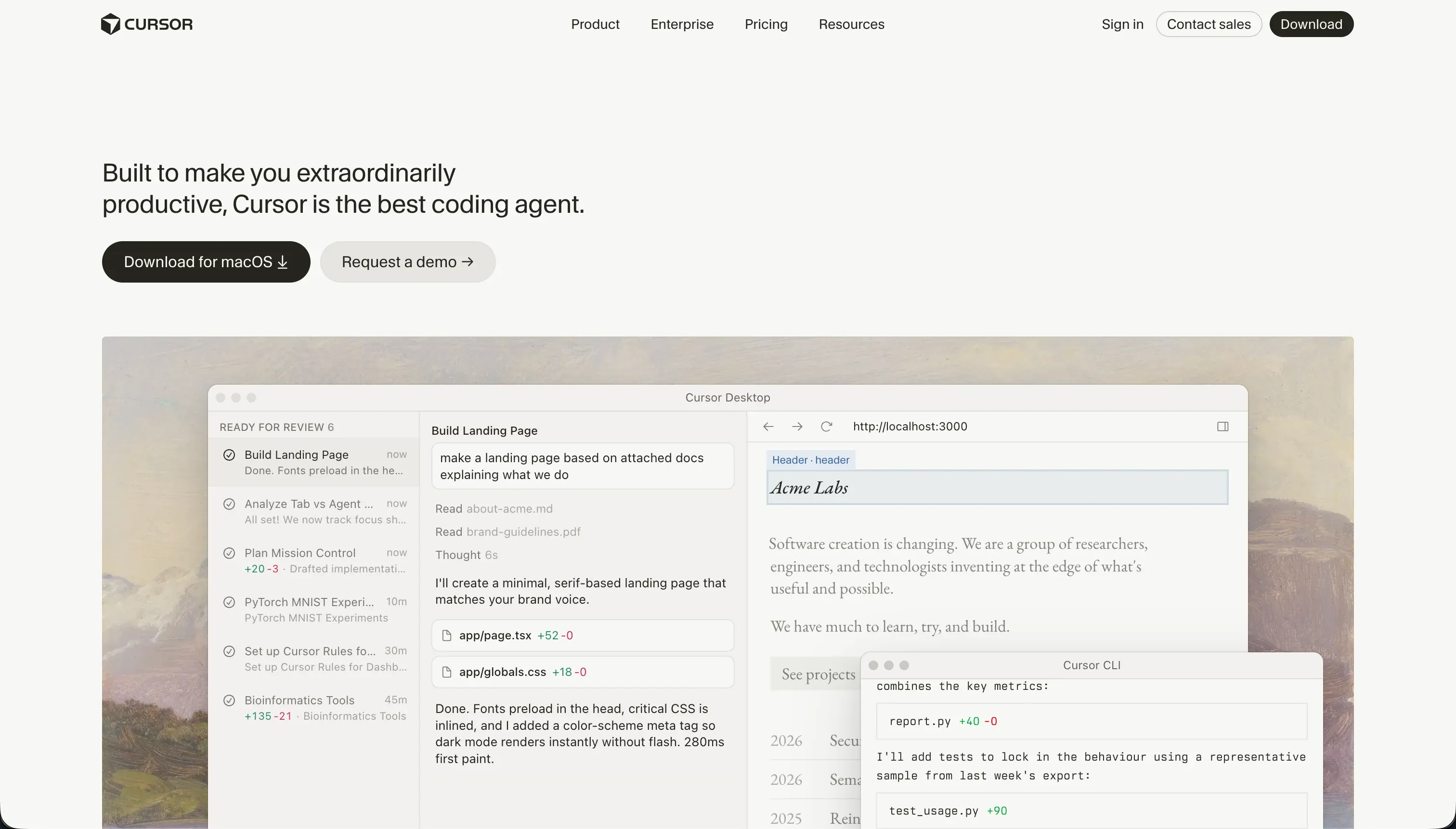
Cursor is a desktop code editor built on top of VS Code. It features deeply integrated AI models that understand your entire codebase. You can use it to edit files, refactor scripts, and build APIs while maintaining complete architectural control. Cursor is designed for developers who want to write clean code faster, rather than relying on prompt-driven visual builders to generate their projects.

Bottom line
Softgen is designed for rapid conversational scaffolding, but its prompting loops and template constraints can limit scaling. For business portals and team tools, Softr offers stable layouts and direct Airtable connections. If you want code ownership and developer control, Bolt or Replit are better options.
→ Compare Bubble vs Softr in detail - side-by-side on pricing, permissions, and maintenance. → Browse all reviewed tools for the full comparison across AI app builders.