

Replit and Bolt overlap just enough to create a real buying decision, but they come from different product categories. Replit is a browser-based developer environment that has expanded into AI app generation, while Bolt is an AI app builder built around in-browser coding and rapid web prototyping. The tradeoff is not simply speed versus power; it is integrated workspace versus lightweight generation flow.
The people actually deciding between these two are founders, solo makers, product teams, and non-traditional developers trying to ship something useful without standing up a full local setup. What is at stake is usually time in the first week, cost as usage scales, and lock-in once the generated app needs backend logic, data, and deployment discipline. If you pick the wrong one, you either move slowly up front or hit a ceiling right when the project becomes real.
Meet the Contenders
What is Lovable?
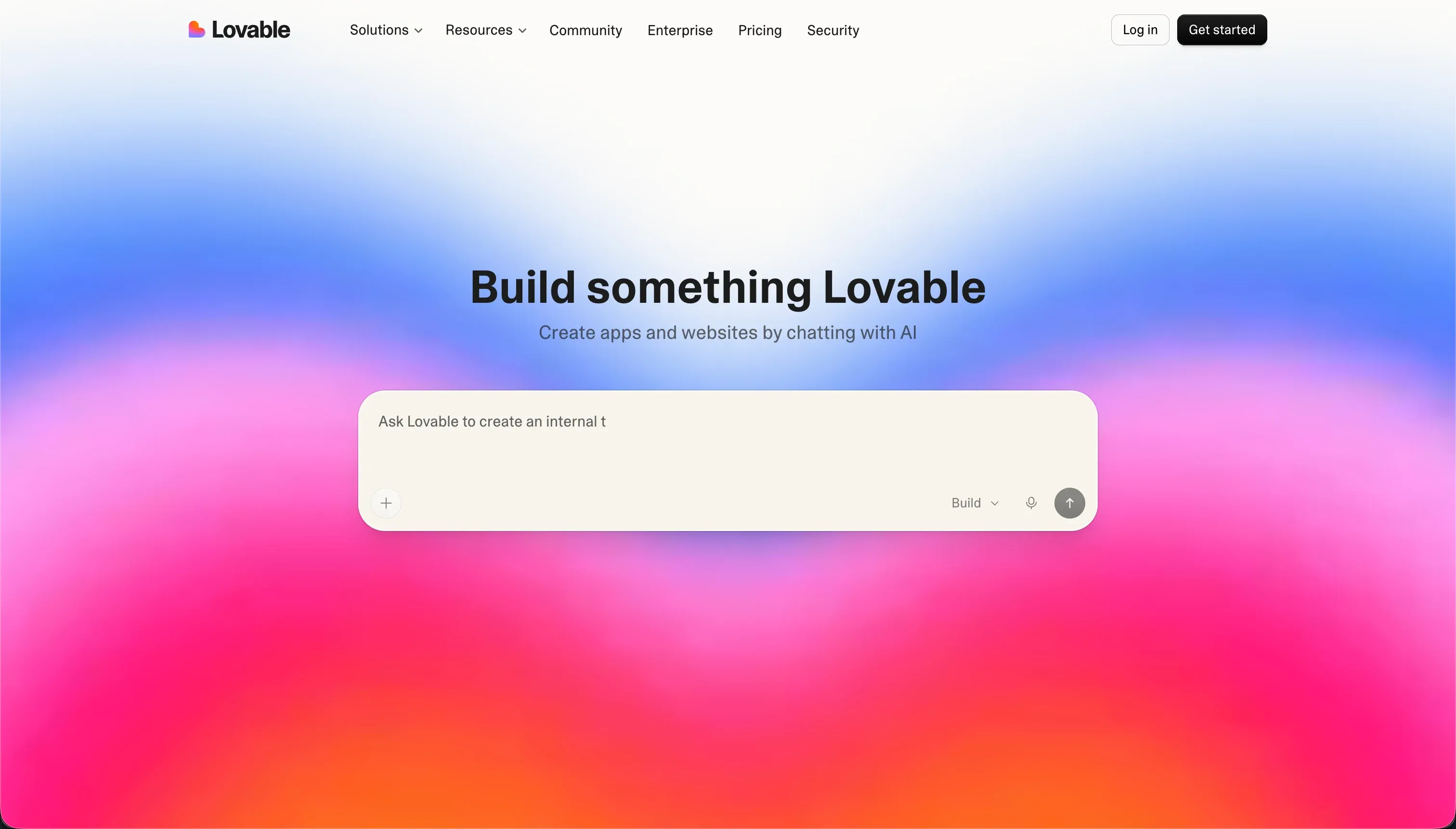
Replit is a cloud development environment that combines coding, AI assistance, hosting, and app deployment in a single browser-based workspace. It started as an online IDE and has moved further into AI-assisted app creation, which is why buyers now compare it with prompt-first builders.
In practice, Replit works like a persistent workspace where you can generate code with AI, edit it directly, run it in the browser, connect services, and deploy from the same environment. Its concrete strengths are the built-in multiplayer-style workspace, integrated deployment flow, terminal access, and backend-friendly capabilities such as databases and server-side code support rather than only front-end generation.
Replit is genuinely built for people who want an AI shortcut without giving up a real coding environment. It frustrates users who want the lightest possible prompt-to-UI experience, because the flexibility comes with more moving parts, more decisions, and a workspace that feels closer to development tooling than a pure no-code builder.
| Spec | Details |
|---|---|
| Primary Stack | Browser-based IDE with AI generation and full-stack coding workflows |
| Interface | Persistent workspace with editor, terminal, run console, and deploy flow |
| Primary Deployment Target | Hosted web apps and backend-capable projects deployed from Replit |
| Key Advantage | Combines generation, editing, runtime, and deployment in one environment |
What is Retool?
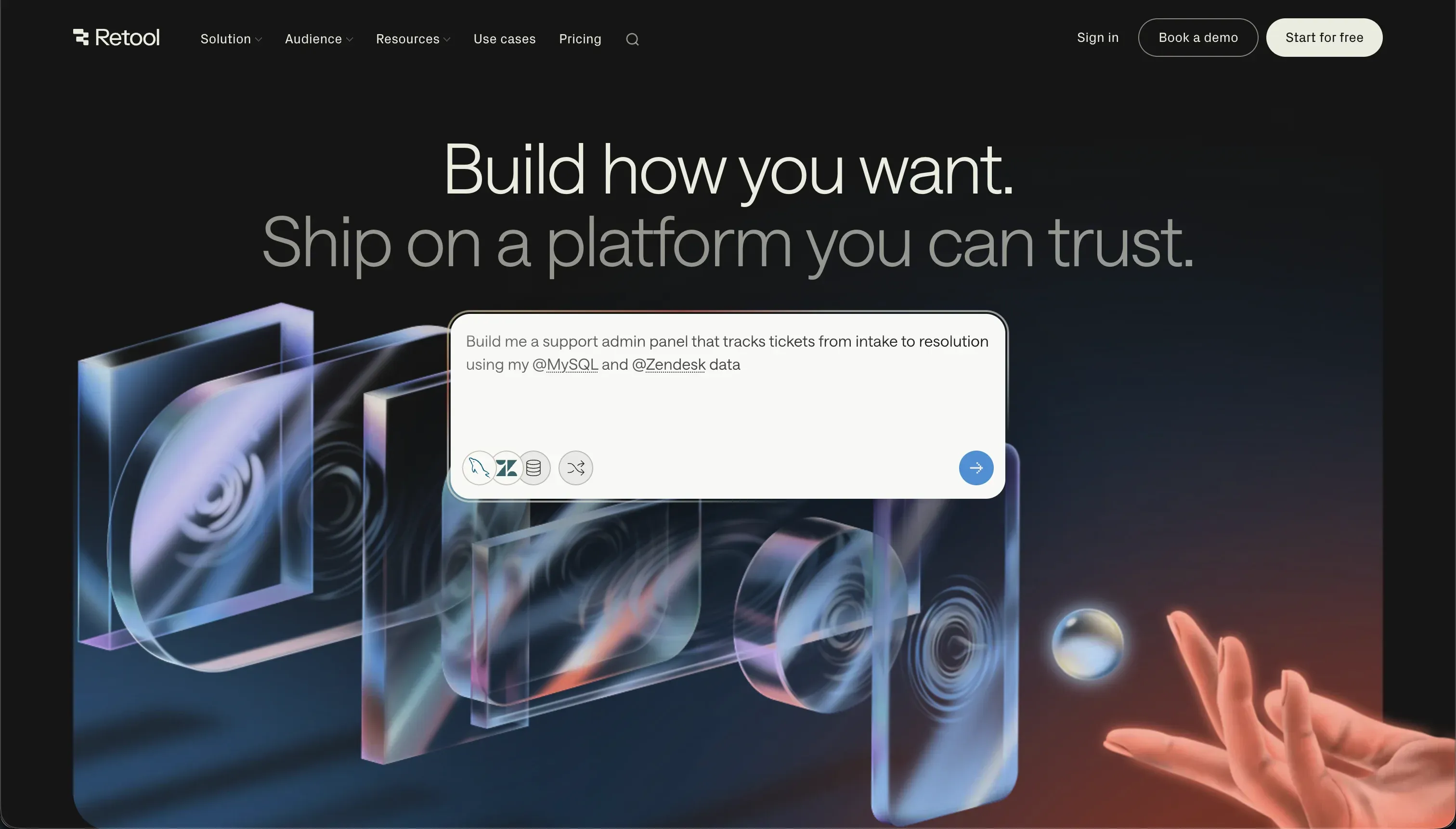
Bolt is an AI web app builder focused on generating and editing full-stack JavaScript apps directly in the browser. It is best understood as a prompt-first product layered on top of an in-browser development environment rather than a traditional hosted IDE.
In practice, Bolt lets you describe an app, generate a working codebase, inspect and edit files, run the app live, and iterate quickly without local setup. Its concrete capabilities include browser-based code execution via WebContainers, package installation, terminal-style interactions, and rapid regeneration of app structure from prompts, which makes it especially strong for early front-end and product prototype loops.
Bolt is built for makers who want to go from idea to working web app with minimal setup and a very fast feedback cycle. It tends to frustrate users who need a deeply integrated long-term workspace for more involved backend, operations, or multi-service projects, because its sweet spot is rapid generation first and production discipline second.
| Spec | Details |
|---|---|
| Primary Stack | Prompt-first web app generation in a browser-based coding environment |
| Interface | Chat-led builder with editable files, preview, and in-browser runtime |
| Primary Deployment Target | Web applications and prototypes created and iterated in-browser |
| Key Advantage | Extremely fast prompt-to-app workflow with direct code visibility |
The Core Difference
The biggest difference is where each product sits on the spectrum between AI generator and full development workspace. Replit is broader and more infrastructural; Bolt is narrower but usually faster in the first hour.
- Replit runs like a hosted dev environment with AI layered into a real workspace, so it handles more of the app lifecycle in one place.
- Bolt is optimized for rapid browser-based app generation and iteration, so it feels quicker when the main job is getting a web product prototype live fast.

Head-to-Head Comparison
We evaluated both platforms across four core categories.
1. Developer Experience & Iteration Speed
Replit is strong when iteration means more than changing UI text or regenerating layouts. Because it gives you an editor, terminal, runtime, and deployment path in one workspace, you can move from AI-generated draft to direct code edits without changing tools.
The weakness is that this broader environment creates more cognitive load on day one. Users who mainly want a prompt box and a live preview can feel slowed down by the fact that Replit behaves like an actual coding workspace, not just an app generator.
Bolt is usually faster for the first prototype because the product is centered on prompting, immediate file generation, and live preview in the browser. Its WebContainer-based workflow makes it feel unusually direct for front-end and simple full-stack web app experiments.
The tradeoff is that speed can flatten out once the app becomes more operationally complex. Bolt is excellent at the first loop of generate-edit-preview, but teams that need a longer-lived environment may hit friction sooner than they would in a fuller hosted workspace.
Edge: Bolt, because its browser-first prompt loop is usually quicker for getting a usable prototype on screen.
2. Code Quality & Portability
Replit benefits from being a real coding environment, which makes direct inspection and refactoring easier once the generated code stops being enough. You can work in the files, use the terminal, and treat the project more like a normal software repo rather than a temporary generated artifact.
Its weakness is that AI-generated code quality still varies by prompt and project scope, so Replit does not eliminate cleanup work. But compared with lighter builders, it gives you a better place to do that cleanup because the surrounding environment is closer to standard development practice.
Bolt gives you visible code rather than hiding implementation details, and that matters if you care about portability more than pure no-code convenience. Because the app is generated into editable files, technical users can inspect structure quickly and continue iterating without starting over.
The downside is that generated projects can still require more manual stabilization as requirements expand. Bolt feels great when the codebase is small and web-focused, but users often need more discipline to keep quality high once the prototype becomes a product.
Edge: Replit, because the surrounding editor and terminal workflow make ongoing cleanup and portability easier to manage.
3. Database & Backend Capabilities
Replit is the stronger fit when your app needs backend logic to be part of the default workflow. Its appeal here is not one single feature but the fact that server-side code, runtime behavior, environment management, and deployment live inside the same browser workspace.
That does not make it a perfect platform engineering substitute. More advanced teams may still outgrow its managed environment, but for founders and solo builders it covers meaningfully more backend ground than a front-end-leaning generator.
Bolt can produce full-stack web apps, and its in-browser environment is impressive for getting a backend-shaped project running without local setup. For simple apps, that is enough to validate a concept fast.
Where it becomes less comfortable is when the backend stops being incidental and becomes the product. Complex data models, infrastructure decisions, and long-term service management are not the reason buyers choose Bolt, so it can feel like the lighter tool once backend needs become central.
Edge: Replit, because it is better aligned with apps where backend and runtime concerns are first-class rather than secondary.
4. Hosting & Deployment Options
Replit’s big advantage is continuity from build to run to deploy. You can generate, edit, test, and ship in the same environment, which reduces handoff friction for small teams and solo operators.
The weakness is that this convenience can also become a form of platform dependence if the project grows and you want more custom infrastructure choices. Replit makes deployment easier, but that ease is partly tied to staying inside its ecosystem.
Bolt is effective for shipping quick web experiences because it gets you to a runnable app very fast and keeps the path from prompt to preview short. That makes it attractive for hackathon-style launches, MVPs, and product demos.
Its limitation is that deployment is not the whole story once reliability, environments, and ongoing operations matter. Buyers who need a more complete build-run-host loop often find Bolt strongest before that stage, not after it.
Edge: Replit, because its build-and-deploy workflow is more complete inside one product.
5. AI Quality & Reliability
Replit’s AI is useful when you want generation embedded inside an environment where you can immediately inspect, run, and fix what it produces. That setup reduces the cost of imperfect generations because the recovery path is built into the same workspace.
The downside is that Replit’s AI experience can feel less magically fast than a dedicated prompt-first builder. It is reliable in the sense that the workspace supports correction, but not always the fastest at giving a polished first pass.
Bolt shines when the job is to translate a plain-language idea into a visible, working web app quickly. The tight loop between prompt, generated files, and browser preview makes the AI experience feel unusually immediate.
The tradeoff is that immediate does not always mean durable. When requirements become more nuanced, users may need several rounds of prompting and more manual intervention to get stable results, especially outside straightforward web app patterns.
Edge: Bolt, because its prompt-to-app loop feels more direct when AI output quality is judged by first-pass speed.
6. Learning Curve & Onboarding
Replit is easier than setting up a full local stack, but it still teaches users some developer habits because the product exposes files, runtime behavior, and environment concepts. That is good for buyers who want capability, but it means onboarding is not purely conversational.
For non-technical users, the friction shows up when they have to understand why an app runs, fails, or needs server-side changes. Replit is accessible, but not as forgiving as a builder that hides more of the stack.
Bolt has the gentler entry point for non-traditional developers because the product starts with a chat-style request and immediately returns something visible. That creates momentum and reduces the intimidation of opening a more complete IDE-like workspace.
The catch is that Bolt’s simplicity is partly front-loaded. As soon as a user needs to reason about packages, generated structure, or backend behavior, the learning curve returns, just later in the process.
Edge: Bolt, because it gets non-technical users to a working result with less initial tool overhead.

Pricing Comparison
Lovable:
- Free plan available
- Paid plans available for more AI usage, workspace limits, and deployment capacity
Retool:
- Free plan available
- Paid plans available for higher usage and more intensive AI-driven app generation
Use Case Fit: When to use which?
When to choose Lovable
- Choose Replit when you want one browser workspace for coding, backend work, running the app, and deployment.
- Choose Replit when your project is moving past a prototype and you need direct access to files, terminal workflows, and server-side logic.
- Choose Replit when you value a more complete long-term environment over the fastest possible first prompt experience.
When to choose Retool
- Choose Bolt when your main goal is turning an idea into a working web app prototype as fast as possible.
- Choose Bolt when a chat-led workflow and instant browser preview matter more than having a fuller hosted dev environment.
- Choose Bolt when you are validating UI, flows, or a lightweight MVP before investing in a more durable stack.
When neither Lovable nor Retool is the right fit
For internal tools and client portals
If the real job is building dashboards, CRUD interfaces, approvals, and client-facing business portals, both Replit and Bolt are often the wrong starting point. You will spend time shaping code and app structure that a business app platform already handles for you.
In that case, Softr is usually the better fit because it is designed around authenticated business apps, portals, and data-connected interfaces rather than open-ended code generation. If your use case is internal operations instead of software product creation, Softr beats both here by reducing setup work and ongoing maintenance.
For mobile-first products
If your product lives or dies on native mobile UX, neither Replit nor Bolt is the cleanest answer. Both are better understood as browser-centric app creation environments, which means mobile can become an adaptation problem rather than the default path.
For that scenario, FlutterFlow is the better recommendation because it is purpose-built for app workflows where mobile delivery matters from the start. It beats both tools here by keeping the build process centered on app interfaces, mobile behavior, and a delivery model closer to real app development.
For highly custom web apps with deeper engineering control
If your team already knows it wants a mature visual web app platform with heavier customization, long-lived workflows, and a broad plugin ecosystem, neither of these tools is the clearest long-term home. Replit is more of a hosted coding environment, and Bolt is more of a fast generator, so both can be awkward in the middle ground.
In that case, Bubble is worth considering because it is built around sustained web app construction rather than short-loop generation or IDE-style development. It beats both when the app’s lifecycle is expected to include complex workflows, richer visual logic, and prolonged no-code ownership.

Verdict
Pick Replit if you want AI help inside a tool that still behaves like a real development environment. The tradeoff is that you accept more complexity up front in exchange for better odds that the project can survive past the prototype stage.
Pick Bolt if your priority is getting from idea to visible working web app with the least friction possible. The tradeoff is that you accept a lighter long-term environment, which is great for validation and demos but can become less comfortable as backend, deployment, and code stewardship become serious.
The day-two reality is that both tools are best when you understand the kind of app you are actually building. If that app is a business portal or internal system, a purpose-built platform like Softr often ages better than either one because it solves data-connected app structure directly instead of making you generate or engineer it from scratch.
Summary Comparison Table
| Criterion | Lovable | Retool |
|---|---|---|
| Best for | Builders wanting a fuller hosted dev workspace | Makers wanting the fastest browser prototype loop |
| Primary workflow | Edit, run, debug, deploy in one workspace | Prompt, generate, preview, iterate in-browser |
| Backend fit | Stronger for backend-first needs | Better for lighter full-stack prototypes |
| Learning curve | Moderate; more dev concepts exposed | Lower at the start; rises with complexity |
| Deployment model | More integrated | More prototype-oriented |
| Main tradeoff | More capability, more workspace overhead | More speed, less long-term depth |